Healthcare is no longer confined to clinic visits and waiting rooms. Today, digital healthcare transformation is reshaping how we monitor, manage, and optimize our well-being. From wearable fitness trackers and AI-powered diagnostics to telemedicine and personalized health apps, technology is turning medicine from reactive treatment into proactive care.
Traditional systems often force patients to act only after symptoms appear, navigating a complex and time-consuming process. This article explores how modern digital tools are changing that dynamic—making healthcare more accessible, data-driven, and preventive. Grounded in expertise in holistic fitness and integrated wellness, we break down the most impactful innovations helping you take control of your health.
Wearable Devices: The 24/7 Health Monitor on Your Wrist
Wearables have evolved far beyond counting 10,000 steps (RIP, basic pedometer). Today’s devices pack ECG (electrocardiogram, which records your heart’s electrical activity), SpO2 (blood oxygen saturation), and detailed sleep stage tracking into something that fits on your wrist. According to the American Heart Association, ECG monitoring can help detect irregular rhythms like atrial fibrillation when reviewed by a professional.
Some skeptics argue these features create anxiety or offer data without context. Fair point. Raw numbers alone won’t change your life. But when interpreted correctly, they turn passive tracking into ACTIVE HEALTH MANAGEMENT.
Cardio Optimization in Real-Time
Continuous heart rate monitoring shows how your body responds to workouts, meetings, or even traffic jams. HRV (Heart Rate Variability—the variation in time between heartbeats) reflects recovery and stress resilience. Higher HRV often signals better cardiovascular fitness and recovery capacity (Harvard Health).
Recommendation: Use HRV trends—not single-day dips—to adjust intensity. If HRV drops and resting heart rate rises, choose light cardio or mobility work instead of HIIT. Pro tip: Review weekly averages every Sunday to plan smarter sessions.
From Data to Daily Routine
Sleep stage insights help you shift bedtime for deeper recovery. If REM sleep is low, reduce late-night screen time (yes, even that “one more episode”). Adjust caffeine timing if deep sleep suffers.
Wearables also reflect broader digital healthcare transformation trends, similar to workforce shifts in modern healthcare systems explained (https://jalbitehealth.com.co/workforce-shifts-in-modern-healthcare-systems-explained/).
Recommendation: Pick ONE metric per month—sleep, HRV, or cardio load—and optimize it. Small tweaks, consistently applied, beat data overload every time.
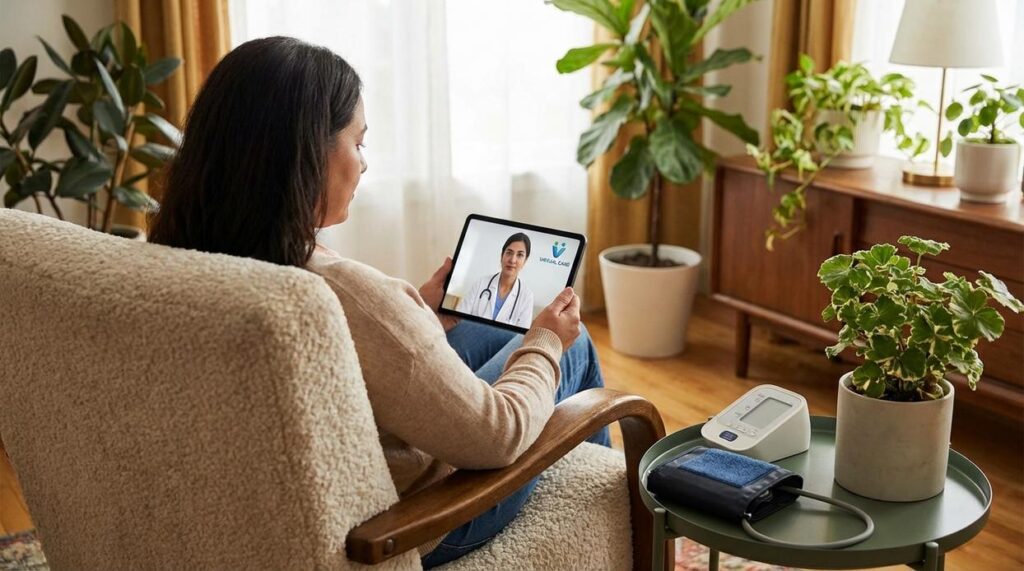
The rise of telehealth has turned the quiet hum of your living room into a gateway to care. What once required fluorescent lights and the faint antiseptic smell of a clinic now begins with the soft chime of a video call.
• Virtual Consultations: Once a niche convenience, now mainstream. For rural patients who used to drive hours past open fields, or busy parents juggling work and dinner sizzling on the stove, seeing a clinician through a glowing screen feels almost surreal (like summoning help on demand). Critics argue in-person exams are irreplaceable—and they’re right in complex cases. Yet for routine follow-ups, medication checks, and minor infections, virtual visits expand access without sacrificing quality, according to the CDC.
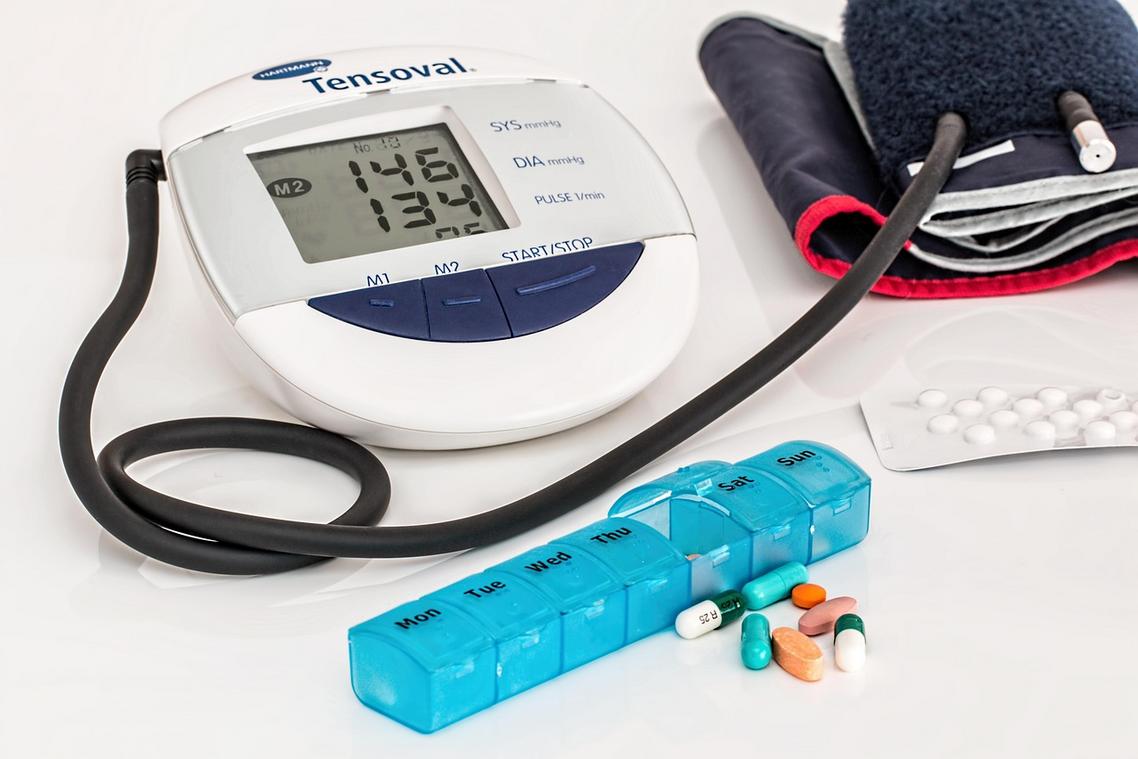
• Remote Patient Monitoring (RPM): Bluetooth blood pressure cuffs tightening around your arm, glucose meters beeping softly at dawn—these connected devices stream data to providers in real time. Continuous oversight helps prevent complications from chronic diseases, reducing hospitalizations (NIH).
• Mental Health Accessibility: Speaking to a therapist from the safety of your couch, wrapped in a familiar blanket, lowers stigma and logistical barriers. Teletherapy has surged as part of digital healthcare transformation, proving care can feel both personal and private.
Artificial Intelligence: The Brains Behind Smarter Diagnostics
Artificial Intelligence (AI) in healthcare can sound complicated, but at its core, it simply means teaching computers to recognize patterns in data. Think of it as giving machines the ability to “learn” from thousands—or millions—of examples.
AI in Medical Imaging
In medical imaging, machine learning (a type of AI that improves through experience) analyzes X-rays, MRIs, and CT scans to detect abnormalities like tumors. These systems are trained on vast image libraries, learning what healthy tissue looks like versus cancerous growths. A CT scan, for example, produces cross-sectional images of the body; AI reviews each slice in seconds, flagging suspicious areas for doctors. Some studies show AI can match or exceed radiologist-level accuracy in specific diagnostic tasks (Nature, 2020). That doesn’t replace physicians—it supports them. Think of it as a second set of ultra-fast eyes (the kind that never needs coffee).
Predictive Analytics for Proactive Care
Predictive analytics uses algorithms to forecast health risks. By analyzing electronic health records, lifestyle habits, and even wearable data, AI can estimate the likelihood of conditions like diabetes or heart disease. EARLY INTERVENTION becomes possible because risks are identified before symptoms escalate.
Personalized Treatment Pathways
Instead of one-size-fits-all medicine, AI helps tailor therapies to a patient’s genetic and biological profile. This shift fuels digital healthcare transformation, making treatment more precise, efficient, and patient-centered.
Patient-Centric Platforms: Your Health Data, In Your Hands
Electronic Health Records (EHRs)—secure digital versions of your medical history—are the backbone of modern care. Instead of repeating your story at every appointment, providers can access a CENTRALIZED record that includes diagnoses, medications, allergies, and imaging. This reduces errors and speeds up referrals. (No one enjoys filling out the same clipboard twice.)
Patient portals and mobile apps take it further. You can:
- Review lab results within hours
- Message your provider directly
- Download visit summaries for personal tracking
Pro tip: After each appointment, spend five minutes reviewing your notes and writing down one follow-up question.
To create a holistic health snapshot, integrate wearable data—like heart rate variability or sleep cycles—with your EHR. For example, if your resting heart rate trends upward while labs show elevated cholesterol, that’s actionable insight. This kind of digital healthcare transformation supports SMARTER, PREVENTIVE decisions and turns you into an active partner in your own care.
Take Control of Your Health in the Digital Age
You came here to understand how wearables, telehealth, AI, and patient portals are reshaping the way you manage your well-being. Now you can see how this digital healthcare transformation is shifting us away from passive, reactive care toward something far more empowering.
The real pain point? Waiting until something goes wrong. That approach no longer works. By embracing these tools, you can build a proactive, personalized, and fully integrated wellness strategy that puts you back in control.
Start small today. Download a health-tracking app or book a telehealth visit and experience the difference firsthand. Your future health depends on the actions you take now.
 Paulata Cromwellike brings a fresh and empowering approach to personal wellness, focusing on the connection between healthy routines, physical vitality, and everyday resilience. With a passion for making health feel more accessible and motivating, she shares insights that inspire readers to improve their energy, movement, and overall well-being in a balanced and sustainable way.