Staying healthy today isn’t just about eating better or exercising more—it’s about understanding the bigger picture. From evolving wellness trends to rising public health challenges, navigating modern health information can feel overwhelming. If you’re searching for clear, practical guidance that connects daily habits with long-term well-being, you’re in the right place.
This article delivers a focused look at key health sector insights, holistic fitness principles, and integrated wellness strategies that actually fit into real life. We break down complex topics into actionable steps—covering cardio optimization techniques, sustainable routine upgrades, and science-backed approaches that support both physical and mental performance.
Our content draws on current health research, evidence-based fitness frameworks, and proven behavior-change methods to ensure you’re getting reliable, up-to-date insights. Whether you want to boost energy, strengthen your heart, or build a smarter daily routine, you’ll find practical tools here to help you take control of your health with confidence.
We used to think better hospitals meant healthier neighbors. I learned the hard way that focusing only on clinics ignores the tangled web of public health challenges rooted in housing, food access, and daily stress. We launched programs no one used (a humbling wake-up call). The mistake? Assuming information alone changes behavior.
Real progress required:
- Listening before designing solutions
- Building routines people can actually afford and understand
Health is an ecosystem, not an ER visit. When sidewalks, grocery stores, and schedules align, wellness stops being a slogan and starts becoming a shared habit. Access must be intentionally designed.
Bridging the Gap: When Healthcare is Available but Not Understood
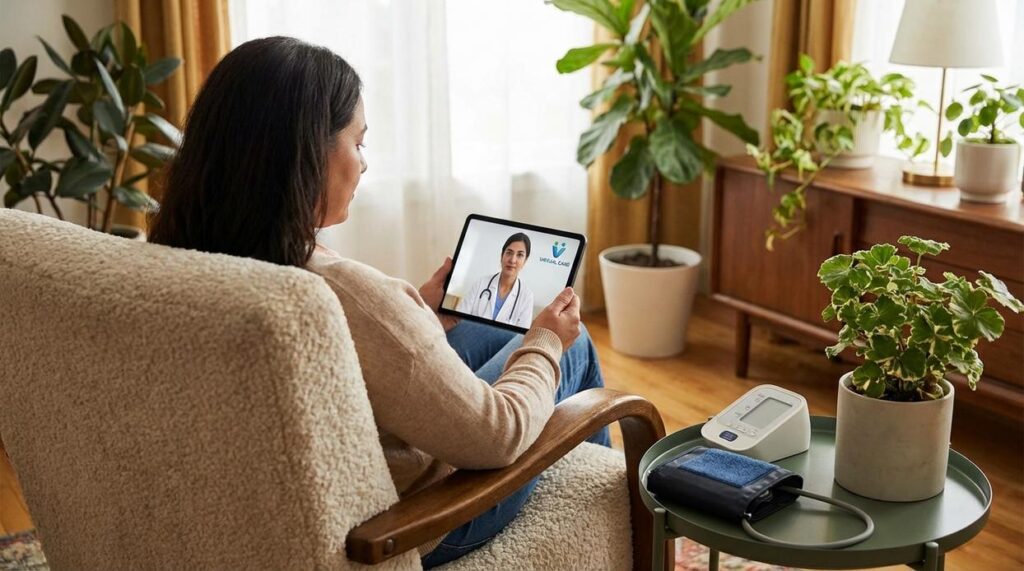
Access to a clinic is important. However, understanding what happens inside that clinic is equally critical. Health literacy—the ability to find, process, and understand basic health information—often determines whether care actually improves someone’s life. In other words, a prescription only works if you know how and why to take it (yes, “twice daily” really does mean twelve hours apart).
As a result, low health literacy affects overall wellness. Studies show that patients with limited understanding of medical instructions have higher hospitalization rates and poorer medication adherence (CDC). They may skip preventive screenings because the purpose feels unclear or mismanage chronic conditions like diabetes by misunderstanding dosage instructions. This confusion quietly fuels broader public health challenges.
At the same time, there’s a deeper disconnect. Integrated wellness depends on understanding the “why” behind habits. Being told to “eat better” is vague. Learning how fiber stabilizes blood sugar makes the advice actionable.
So what helps? Community workshops that teach label reading, simplified discharge notes, and peer groups that translate medical jargon into daily routine tweaks. Pro tip: ask providers to explain instructions in plain language and repeat them back to confirm clarity. Clarity turns access into impact.
Beyond the Clinic: How Economic Realities Shape Health Outcomes
Health doesn’t start in the exam room. It starts in paychecks, neighborhoods, and kitchen cupboards. Income (the money a household earns), employment stability, and environment shape daily choices long before a doctor visit. In many communities, “food deserts”—areas where fresh produce is scarce but processed food is abundant—make convenience the default. When dinner options are a gas station or a fast-food chain, willpower isn’t the issue. Access is.
Critics argue that personal responsibility should override circumstance. If people cared enough, they’d “make time” for health. But that overlooks the TIME AND RESOURCE DEFICIT. Working two jobs shrinks the day. Limited disposable income turns gym memberships into luxuries. Even cooking can feel expensive when energy is low and ingredients cost more upfront (healthy food often requires prep time—something money can’t always buy).
Most wellness brands stop there. Here’s what they miss: solutions must be BUILT FOR CONSTRAINT, not ideal conditions.
- Promote community gardens to localize fresh food access.
- Advocate for safe walking paths to turn commuting into cardio.
- Teach no-equipment cardio optimization techniques—interval stair climbs, brisk walking circuits, bodyweight flows—that elevate heart rate efficiently at home.
These strategies address public health challenges without requiring premium apps or boutique studios. A brisk 20-minute interval walk can rival longer steady workouts in cardiovascular benefit (CDC supports moderate-to-vigorous activity guidelines).
The goal isn’t perfection. It’s leverage—small, repeatable actions that fit real lives. Holistic fitness works when it adapts to reality, not when reality is forced to adapt to it.
The Modern Epidemic: Confronting Chronic Disease at the Community Level

We’ve come a long way from the days when public health focused mainly on infectious outbreaks. Vaccines, sanitation, and antibiotics changed that story (thankfully). Today, however, the battle looks different. Chronic conditions like diabetes, heart disease, and obesity dominate the landscape, accounting for 74% of global deaths, according to the World Health Organization. In my view, this shift demands more than prescriptions—it demands perspective.
The Real Culprit: Daily Life
To put it plainly, our routines are making us sick. Sedentary jobs, high-stress schedules, and ultra-processed diets have quietly reshaped normal life. The CDC links physical inactivity and poor nutrition directly to rising cardiovascular risk. Sure, some argue that personal responsibility alone should solve this. I disagree. When environments nudge us toward elevators, drive-thrus, and desk marathons, willpower isn’t enough.
That’s why I believe solutions must be woven into community design. Walkable neighborhoods, visible staircases, and movement-friendly offices create constant, low-level activity (the kind our bodies evolved for). Likewise, making healthy foods the default in schools and public spaces shifts habits without moral lectures.
At the same time, technology can support smarter systems—see digital transformation in healthcare data ai and access.
Ultimately, tackling public health challenges requires redesigning daily life itself.
Connecting the Dots: The Challenge of a Fragmented Wellness System
Modern wellness often operates like a group chat where nobody replies. Clinical care, mental health services, public health initiatives, and community fitness programs work in silos—rarely sharing notes, let alone a plan. The result? A system that treats symptoms while the bigger picture waits awkwardly in the hallway.
Consider the patient with high blood pressure. They leave with medication and a polite nod, but no connection to:
- Local nutrition classes
- Walking groups at the park
- Stress‑reducing yoga sessions
It’s like fixing a leaky pipe without turning off the water (bold strategy).
Some argue specialization ensures efficiency. Fair point. But without integration, patients juggle appointments like circus performers. Addressing public health challenges requires more than prescriptions—it requires coordination.
Imagine a doctor’s visit ending with a prescription for a subsidized yoga class or a healthy cooking workshop. That’s not fluff; it’s a continuum of care. And honestly, your blood pressure would probably send a thank‑you card.
Building a Healthier Tomorrow, One Community at a Time
We’ve seen the hurdles: the literacy gap, socioeconomic barriers, the chronic disease epidemic, and fragmented systems. These public health challenges won’t solve themselves—but the payoff for action is real. Healthier neighborhoods mean lower medical costs, stronger local economies, and longer, more active lives for you and your family.
A holistic, integrated approach makes wellness practical and accessible. When people gain clear, usable knowledge, healthy choices become the easy choices.
- Advocate for a safer crosswalk
- Organize a community fitness event
- Support better health education in schools
Small steps today build resilient communities tomorrow.
Take Control of Your Health Starting Today
You came here looking for practical ways to improve your daily health, strengthen your heart, and build a more sustainable wellness routine. Now you have a clearer understanding of how integrated fitness, smarter cardio strategies, and intentional daily habits work together to support long-term vitality.
The reality is that public health challenges aren’t slowing down. Busy schedules, chronic stress, and inconsistent routines make it harder than ever to stay on track. Ignoring these obstacles only increases your risk of burnout, preventable illness, and declining performance.
The good news? You don’t need extreme overhauls — you need consistent, optimized action.
Start by implementing one cardio optimization technique, one holistic nutrition upgrade, and one daily routine adjustment this week. Then build momentum.
If you’re ready to stop guessing and start following proven, research-backed wellness strategies trusted by a growing community of health-focused individuals, take the next step now. Explore our latest health insights and practical guides designed to simplify your routine and deliver real results. Your stronger, healthier future starts with one decision — make it today.
 Paulata Cromwellike brings a fresh and empowering approach to personal wellness, focusing on the connection between healthy routines, physical vitality, and everyday resilience. With a passion for making health feel more accessible and motivating, she shares insights that inspire readers to improve their energy, movement, and overall well-being in a balanced and sustainable way.