

If you’re searching for practical ways to improve your energy, focus, and overall well-being, you’re likely realizing that health isn’t built on one big change—it’s shaped by consistent daily habits. This article delivers a clear, actionable breakdown of holistic fitness principles, integrated wellness strategies, cardio optimization techniques, and smart daily routine adjustments that create measurable results.
Many people struggle with fatigue, inconsistent workouts, and poor recovery because they lack a structured, sustainable approach. Here, you’ll find research-backed insights combined with real-world application—strategies grounded in current health science and performance optimization practices.
From improving heart efficiency to refining your evening sleep rituals, we’ll show you how small, intentional changes can compound into significant long-term gains. Every recommendation is designed to be practical, adaptable, and aligned with how the body actually functions—so you can move from information overload to confident action.
Racing thoughts at night feel like your brain chugged espresso at 9 p.m. You’re exhausted, but your mind replays emails, awkward conversations, and tomorrow’s to-do list. The core problem? Poor sleep quietly sabotages your mood, focus, metabolism, and workouts (yes, even leg day). This guide delivers a science-backed, step-by-step framework for building personalized evening sleep rituals that sync with your circadian rhythm—your body’s internal clock. Expect integrated wellness strategies that actually work:
- Wind-down cues for your nervous system
- Light and temperature tweaks
- Simple mindset resets
Follow them, and you’ll reclaim your evenings and improve sleep quality.
The Science of the Wind-Down
Your circadian rhythm—your internal 24-hour body clock—governs when you feel alert and when you feel drowsy. It’s regulated by light exposure, temperature, and behavior patterns. When you follow consistent evening sleep rituals, you reinforce that clock the way a metronome steadies a musician. Over time, your brain anticipates sleep instead of resisting it.
However, some argue that sleep should be “natural” and routines are unnecessary. In reality, modern stress, screens, and irregular schedules blunt the hormonal shift required for rest. Cortisol, the primary stress hormone, must decline while melatonin, the hormone that signals darkness and recovery, rises. A predictable wind-down sequence—dim lights, slower breathing, reduced stimulation—acts as a chain of neurological cues. Each cue tells your hypothalamus, “We’re safe to power down.”
More importantly, sleep is not passive. During deep stages, growth hormone surges to repair muscle tissue, the glymphatic system clears metabolic waste from the brain, and memory consolidates into long-term storage (think of it as your brain’s overnight filing system). Skipping structure here undermines training gains, focus, and metabolic balance.
Pro tip: keep timing consistent, even on weekends. Your biology thrives on rhythm. Consistency is the competitive edge most people overlook daily.
Step 1: Engineering Your Ideal Sleep Environment
I used to think I could fall asleep anywhere—lights on, TV humming, phone glowing inches from my face. (Spoiler: I couldn’t.) The result? Restless nights and groggy mornings. What I learned the hard way is that great sleep isn’t accidental. It’s engineered through the 3 Pillars of a Sleep Sanctuary: Cool, Dark, and Quiet.
Cool
Your body needs to lower its core temperature to initiate sleep. Research shows the optimal bedroom range is 60–67°F (15–19°C) (National Sleep Foundation). I ignored this for years, cranking the heat in winter. Once I adjusted the thermostat and swapped heavy bedding for breathable layers, I fell asleep faster. Pro tip: if adjusting the thermostat isn’t possible, try cooling sheets or a fan to circulate air.
Dark
Blue light from screens suppresses melatonin, the hormone that signals sleep (Harvard Health). I used to scroll until my eyes burned—then wonder why I felt wired. Now, I enable “night mode” at least 90 minutes before bed, use blackout curtains, and keep a sleep mask nearby. Small changes, big difference.
Quiet
Noise fragments sleep—even if you don’t fully wake up. Earplugs, white noise machines, or simple soundproofing can buffer disruptive sounds. Light sleepers benefit most from consistent background noise (Sleep Foundation).
Finally, consistency anchors your circadian rhythm—your body’s internal clock. A fixed bedtime and wake-up time, even on weekends, trains your system to power down predictably. Pair that with intentional evening sleep rituals, and you’ll avoid the mistakes I made trying to “wing it.”
Step 2: Curating Your Personalized Wind-Down Rituals
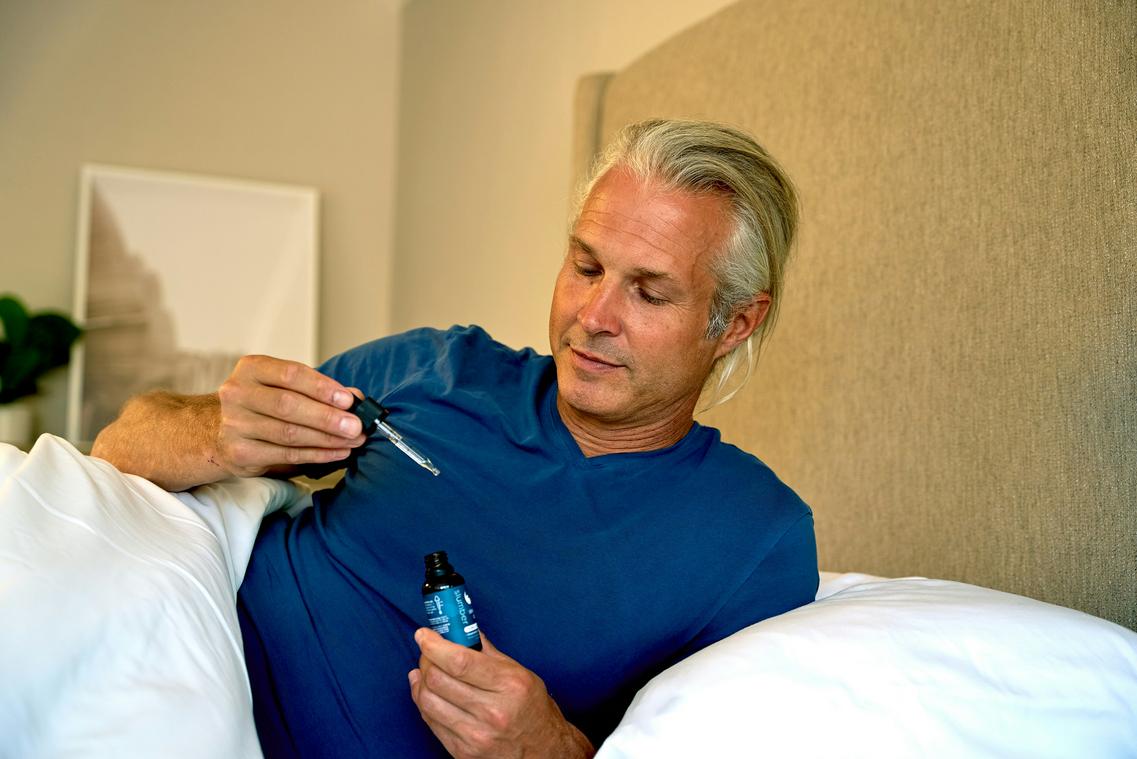
A few months ago, I noticed I was crawling into bed exhausted—but wired. My body was tired. My brain? Rehearsing tomorrow’s to-do list like it was auditioning for a Broadway show. That’s when I realized my evening sleep rituals needed intention, not autopilot.
Think of this as a menu, not a mandate. Mix and match what works.
Mind & Body De-Stressors
Start with gentle movement. Light stretching, yin yoga, or foam rolling help release fascia (the connective tissue around muscles) and signal safety to your nervous system. Research shows slow, mindful movement can reduce cortisol levels (Harvard Health). Intense cardio, on the other hand, spikes adrenaline and core temperature—great for mornings, terrible before bed (sorry, late-night HIIT fans).
Mental Offloading
Try a “brain dump.” Journaling clears cognitive load—the mental clutter that keeps thoughts looping. Studies suggest expressive writing reduces anxiety and improves sleep quality (APA). I keep it simple: worries on the left page, tomorrow’s top three tasks on the right. Done.
Screen-Free Engagement
Swap scrolling for a physical book, calming podcast, or low-stakes hobby. Blue light suppresses melatonin, the hormone that regulates sleep (Sleep Foundation). Think analog, not algorithm. (Your inbox can wait.)
Sensory Relaxation
A warm bath or shower raises body temperature; the post-bath cooling mimics your natural sleep dip, making you drowsy (National Library of Medicine). Add lavender or chamomile aromatherapy—both linked to improved sleep onset.
Pro tip: Pair this routine with earlier planning like meal prepping strategies for consistent healthy eating so tomorrow feels handled before your head hits the pillow.
Troubleshooting Your Routine: Common Pitfalls & Solutions
Inconsistency often kills progress. A: overhaul your entire schedule overnight. B: choose one or two non-negotiables (like a 10-minute stretch or lights out by 10:30). B builds momentum; A burns you out (we’ve all tried the “new me Monday” reset).
Racing mind at night? A: scroll until you pass out. B: use guided meditation apps or the 4-7-8 breathing method—inhale 4, hold 7, exhale 8—to calm your nervous system.
Dietary disruptors matter:
• Caffeine after 2 PM delays melatonin.
• Alcohol fragments sleep cycles (NIH).
• Heavy meals within three hours spike digestion.
Small tweaks strengthen evening sleep rituals.
Your search for better sleep ends with a deliberate, personalized routine. Without a wind-down ritual, your body stays on high alert, cortisol humming like a late-night news ticker (and no one rests during breaking news). The fix is simple: align with your biology. Consistent cues—dim lights, slower breathing, device cutoffs—signal safety and trigger melatonin release (Harvard Medical School).
What You Gain
| Action | Benefit |
| — | — |
| Consistent timing | Faster sleep onset |
| Screen curfew | Deeper cycles |
evening sleep rituals create momentum. Pro tip: choose one strategy tonight and repeat it. Small wins compound into energized mornings. Your mornings become clearer, calmer, and focused. Naturally.
Take Control of Your Energy and Recovery Starting Tonight
You came here looking for practical ways to improve your health, optimize your cardio performance, and build a sustainable wellness routine. Now you have a clearer roadmap—one that connects daily habits, smart training, recovery strategies, and evening sleep rituals into one integrated system.
The truth is, inconsistent routines, poor recovery, and low energy can quietly sabotage even your best efforts. When your sleep is fragmented and your habits lack structure, progress feels slow and frustrating. But when you align your workouts, nutrition, and recovery with intentional daily practices, everything starts working together instead of against you.
Your next step is simple: implement one change today. Start with structured cardio sessions, tighten up your daily routine, and commit to consistent evening sleep rituals that support deep, restorative rest. Small adjustments compound quickly.
If you’re tired of feeling drained, stuck, or inconsistent, now is the time to act. Follow a proven, integrated wellness strategy designed to boost energy, sharpen focus, and improve long-term performance. Start optimizing your routine today and take control of your health before another week slips by.
 Paulata Cromwellike brings a fresh and empowering approach to personal wellness, focusing on the connection between healthy routines, physical vitality, and everyday resilience. With a passion for making health feel more accessible and motivating, she shares insights that inspire readers to improve their energy, movement, and overall well-being in a balanced and sustainable way.