

Imagine hearing about a new virus cropping up halfway around the globe. You can’t help but wonder, “Is my family safe?” global health policies step in. It’s not just bureaucratic jargon.
These policies are your invisible shield, protecting your health and ensuring safety during your travels.
This article will peel back the layers of the International Health Regulations (IHR). It’s a global pact aiming to prevent those unsettling scenarios from reaching your doorstep. I know, health systems can be a tangled mess.
But trust me, we’re here to simplify it. We break down these complex webs into practical nuggets you can use daily.
By the end, you’ll understand how IHR exists in textbooks but directly impacts your health, safety, and travel plans.
What Are the International Health Regulations?
The International Health Regulations (IHR) are straightforward. They’re a legally binding agreement between 196 countries to tackle public health threats that hop across borders. Think of them like a global neighborhood watch for health.
You know how neighbors look out for each other? It’s similar but on a worldwide scale. And sure, it’s not perfect, but what is?
The IHR isn’t new. The modern version, IHR 2005, was specifically updated to handle today’s rapid travel and those pesky emerging diseases. We needed something strong to keep up with the times (who doesn’t?).
The World Health Organization (WHO) plays a central role here. They’re like the conductor in this orchestra, coordinating efforts and helping countries build what they need to respond effectively.
Now, why all the fuss about these regulations? The goal is simple: manage health risks without throwing a wrench into international traffic and trade. It’s about balance.
We want safety, but we also want a functioning global society. Sounds reasonable, right?
And let’s not forget the tech side of things. The WHO uses technology to connect the dots, and this is where technology shaping health sector comes into play. It’s fascinating how tech impacts global health policies.
So, are the IHR perfect? I’m not sure (and neither is anyone else), but they’re key in our fight against diseases that don’t respect borders. We need them, and like any good system, they evolve.
That’s the beauty of it. We keep learning, adapting, and trying to make this world a bit safer.
Global Policies: Why They Matter to You
Ever wonder why you have to show vaccination proof at the airport? It’s because of these global health policies. They’re the behind-the-scenes heroes ensuring your travel experience is safe.
The International Health Regulations (IHR) affect everything: airport health screenings, vaccination certificates, and travel advisories. Let’s be honest, nobody wants to be stuck at an airport, right? But these measures make sure you’re informed and prepared.
Think about how quickly misinformation spreads. Now, imagine a world where countries weren’t required to report outbreaks. Chaos.
The IHR mandates that they must. This means your local health departments get real information fast. You can trust that, if something serious is happening, they know about it (and) so should you.
Now, community health. It’s not just about you; it’s about everyone around you. A coordinated global response can stop an outbreak from turning into a pandemic.
Remember the chaos during the early days of COVID-19? We’re trying to avoid that again. With these policies, local hospitals and resources aren’t overwhelmed, saving lives and sanity.
Let’s not forget that these policies also cover chemical or radiological events. You might think, “Why does that matter to me?” Well, imagine a spill or accident occurring. These guidelines mean there’s a plan.
That plan protects you and your loved ones from potential disasters. It’s not just about infectious diseases. It’s about complete public safety.
If you want to dive deeper, check out this global health policy link. It’s packed with information about how these policies shape our world. So next time you’re irritated by a travel delay, remember: there’s a complex system working to keep you safe.
It’s not just paperwork. It’s a safeguard for your well-being. Global health policies are more relevant to your daily life than you think.
The IHR in Action: Keeping Us Safe
When it comes to global health policies, the International Health Regulations (IHR) are our unsung heroes. They’re the backbone of our health security. But what do they actually do?
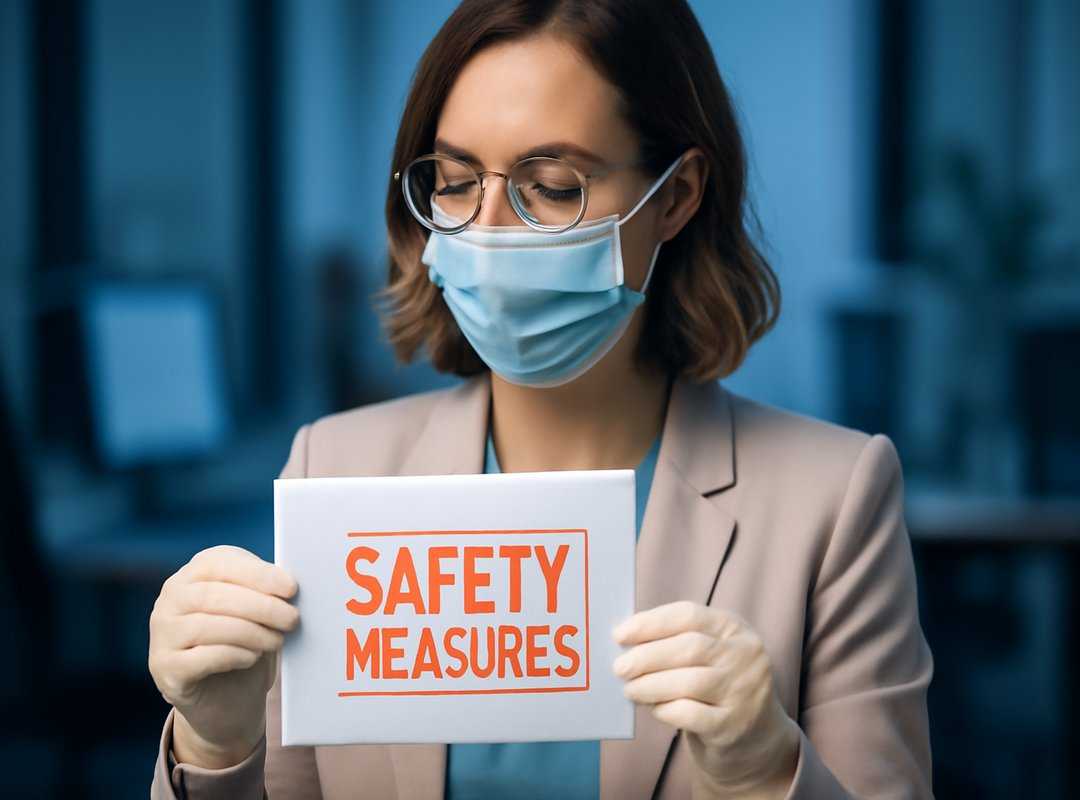
Detection and Reporting is where it all starts. Imagine a sudden spike in severe respiratory illness in a country. Under the IHR, that country must report this to the World Health Organization (WHO) within 24 hours. It’s not just a suggestion. It’s a requirement. This immediate reporting helps us nip potential pandemics in the bud. Think about it: without these protocols, we’d be flying blind.
Once a threat is identified, we move to Global Coordination. The WHO doesn’t just sit back. It jumps into action, coordinating responses by sending experts, supplies, and guidance.
Remember the Ebola and Zika outbreaks? Those were textbook examples of international collaboration. It wasn’t perfect, but it was key.
Without such coordination, the outcomes could have been far worse.
Then there’s the cornerstone: Core Capacities. The IHR mandates each country to bolster its own public health infrastructure. We’re talking about effective laboratories, trained health workers, and strong emergency response plans.
Every country must be a strong link in the global chain. If one fails, it affects us all.
Now, here’s a thought: how does technology play into all this? It’s big in modernizing these efforts. For more on this, check out the role ai modern healthcare solutions.
It’s fascinating how AI is reshaping healthcare, making these processes even more fast and responsive.
In the end, the IHR is all about collaboration and readiness. It’s a safety net, ensuring we’re prepared for whatever comes our way. Without it, we’d be left vulnerable in a world that’s anything but predictable.
Your Role in Amplifying Global Health
Let’s face it: the world needs us to step up. You might feel like a tiny cog in the vast machine of global health policies, but your part matters. First, get informed.
Don’t let sensational headlines trip you up. Rely on credible sources like the WHO or your local public health department. It’s your health toolbox, and it deserves high-quality tools.
Traveling soon? Be proactive. Check travel health notices because nobody wants a surprise illness in a foreign country.
Keep your vaccinations current; they’re not just stamps in your health passport, they’re shields. Know the health risks of your destination. It’s smart, and it keeps you from being “that tourist.”
Now, let’s talk personal wellness. Washing your hands regularly, staying home when you’re sick, and getting vaccinated aren’t just personal choices. They’re community-strengthening actions.
Think of them as your contribution to a healthier world. It’s not a burden; it’s a badge of honor.
Remember, each small choice you make adds up to a significant impact. You’re not just protecting yourself, you’re part of a global safety net. So, take those steps.
They’re not just about you; they’re about us all. This is the kind of power you hold.
Shape the Future of Health
Worried about global health threats? You’re not alone. But there’s hope.
The International Health Regulations are more than words on paper. They’re an active force. They work when nations and individuals unite.
We need to stay informed and practice proactive wellness. That’s how we create a healthier world.
You have a role. By engaging with global health policies, you advance our safety. Want to make a difference?
Start now. Visit trusted sources, stay updated, and keep wellness a priority. It’s your chance to help shape a secure future.
Ready to act? The world is counting on you.
 Paulata Cromwellike brings a fresh and empowering approach to personal wellness, focusing on the connection between healthy routines, physical vitality, and everyday resilience. With a passion for making health feel more accessible and motivating, she shares insights that inspire readers to improve their energy, movement, and overall well-being in a balanced and sustainable way.