Staying ahead of public health trends 2026 isn’t just about curiosity—it’s about making smarter decisions for your body, your family, and your community. With rapid shifts in preventive care, digital health tools, mental wellness priorities, and cardio-focused lifestyle strategies, it’s becoming harder to separate meaningful change from passing hype. This article is designed to give you a clear, focused snapshot of what’s actually shaping the health landscape in 2026 and how these shifts translate into practical, everyday action.
We analyze emerging data, cross-reference global health reports, and review insights from leading medical and wellness research to ensure the trends highlighted here are grounded in evidence—not speculation. You’ll discover which developments are redefining preventive care, how integrated wellness strategies are evolving, and what daily routine adjustments can make the biggest long-term impact. If you’re looking for clarity on where public health is heading—and how to adapt proactively—this guide delivers exactly that.
The 2026 Public Health Horizon: A Proactive Shift
Post-pandemic confusion is real (remember when sourdough starters were a coping strategy?). The question now: reactive care or proactive design?
Old Model vs. Emerging Model
- Reactive Care: Treat illness after symptoms appear; siloed records; annual checkups as the main touchpoint.
- Proactive, Integrated Wellness: Continuous monitoring via wearables (devices that track biometrics like heart rate and sleep); shared digital records; prevention plans tailored to genetic and lifestyle data.
Critics argue constant tracking fuels anxiety. Fair. But data-informed prevention reduces hospitalizations (CDC). The public health trends 2026 signal personalization, prediction, and participation—healthcare as daily habit, not emergency response.
Predictive health tech is moving from step counts to early warnings. Have you ever wondered why your smartwatch can log your sleep but not tell you when something is off? That gap is closing. AI now analyzes heart rhythms, glucose trends, and temperature shifts to flag risks before symptoms shout for attention. Think less fitness tracker, more digital co-pilot (yes, like Jarvis for your arteries).
Meanwhile, AI-powered diagnostics are reshaping primary care. Algorithms scan imaging and health records in seconds, spotting patterns clinicians might miss. Skeptics argue machines can’t replace human judgment—and they’re right. The goal isn’t replacement; it’s augmentation.
What Changes in 2026?
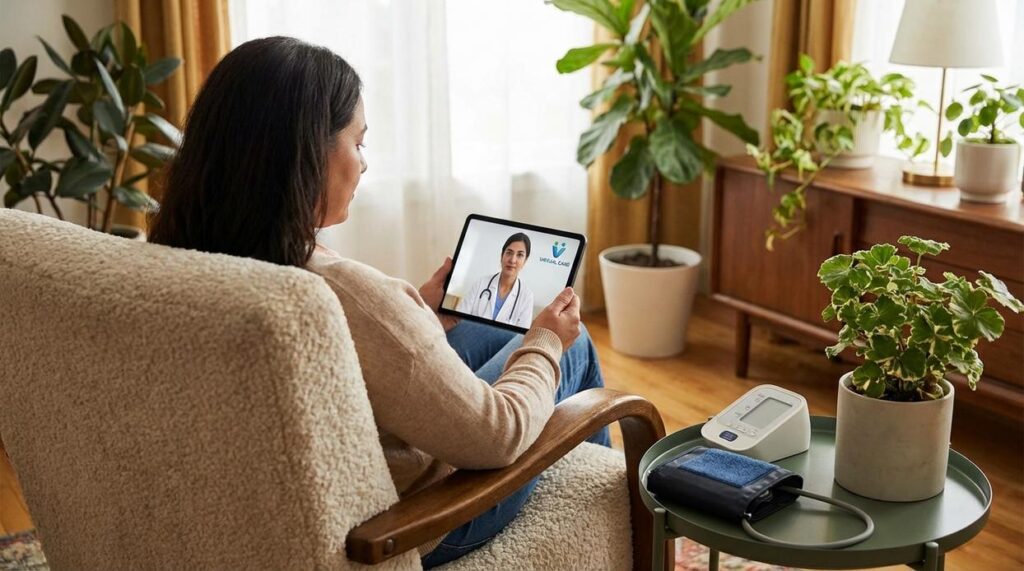
Public health experts tracking public health trends 2026 predict telehealth 2.0 will become default for routine visits. Sound familiar? Video check-ins for mental health, remote monitoring for chronic disease.
| Trend | Real-World Example | Patient Benefit |
|—|—|—|
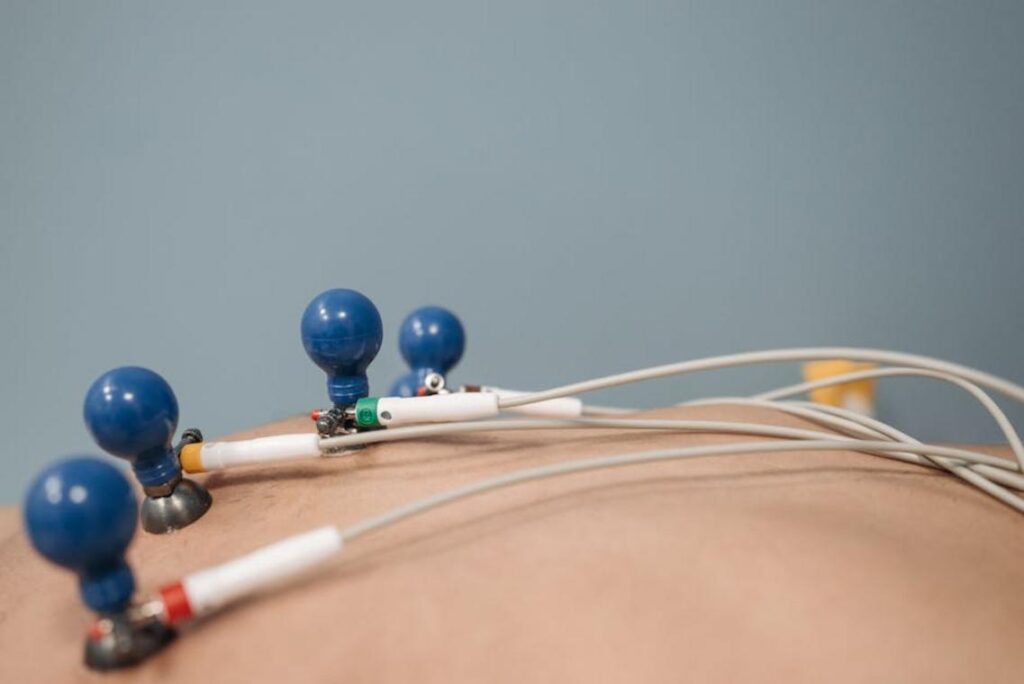
| Predictive wearables | ECG alerts for arrhythmias | Earlier intervention |
| AI diagnostics | Automated scan triage | Faster results |
| Virtual care | Remote blood pressure monitoring | Better access |
Finally, data ownership shifts to you. What if your daily routine adapted to your biomarkers each morning? The shift is already underway.
Trend 2: Integrating Mental Fitness into Everyday Life
For years, mental health lived in a separate lane from physical care. You saw your primary doctor for blood pressure and a therapist for burnout. However, that silo is dissolving. In 2026, integrated care means mental health screenings—brief, standardized questionnaires used to assess mood, stress, or anxiety—will sit alongside cholesterol checks as routine practice.
Consider the difference. Model A: a patient treats migraines but never discusses chronic stress. Model B: the same visit includes a quick depression screening, leading to early support. The second approach prevents escalation (and costly crises) before they spiral.
Meanwhile, corporate wellness is shifting. Instead of generic meditation apps few employees open after week three, companies are tying structured resilience programs to retention and productivity metrics. Burnout, now recognized by the WHO as an occupational phenomenon, becomes a business KPI rather than a personal failure.
Digital Therapeutics (DTx)—FDA-approved software delivering evidence-based cognitive behavioral therapy—further sharpen the contrast. Compare occasional advice from a blog to a prescribed insomnia app with clinical validation. One is content; the other is treatment.
At the community level, public health trends 2026 emphasize green spaces and social clubs to counter loneliness (think less “Black Mirror,” more neighborhood block party). Environment, access, and integration—together—turn mental fitness into a daily habit, not an afterthought.
Trend 3: Preventative Cardiology Becomes a National Priority
Heart disease remains the leading cause of death globally, according to the World Health Organization. So it’s no surprise that prevention—stopping disease before it starts—is becoming the new frontline strategy.
Shifting Focus from Treatment to Prevention
For decades, cardiology centered on managing heart attacks, high blood pressure, and cholesterol after diagnosis. Now, the shift is toward lifestyle interventions—structured changes in diet, exercise, sleep, and stress management that reduce risk long before symptoms appear. Some critics argue treatment advancements save more immediate lives. That’s true. But prevention reduces the number of people needing treatment in the first place (a quieter win, but a powerful one).
Optimizing Cardio Health at Scale
Expect broader community initiatives like:
- Subsidized gym memberships
- Expanded walking and bike lanes
- City-wide fitness challenges
Research from the CDC shows built environments that encourage movement significantly lower cardiovascular risk.
Nutritional Policy Interventions
Governments may implement:
- Sodium reduction targets
- Sugar taxes
- Clearer front-of-package labeling
These policies aim to make healthy choices the default choice.
Early Screening Programs
Advanced screenings—like coronary calcium scores and inflammatory markers—are becoming accessible earlier for at-risk adults. Integrated systems, such as those discussed in how digital health records are transforming patient care, help track risk over time.
These shifts reflect broader public health trends 2026 prioritizing prevention over reaction.
Trend 4: The Holistic Approach to Metabolic Health
For years, health conversations centered on weight loss. But weight is a symptom, not the root cause. The new focus is metabolic health—how efficiently your body manages blood sugar, insulin sensitivity (how responsive your cells are to insulin), and visceral fat (fat stored around internal organs). This shift mirrors broader public health trends 2026 that prioritize long-term resilience over quick aesthetic wins.
Some critics argue this is just rebranded diet culture. Others say tracking metrics like glucose could create unnecessary anxiety. Fair concerns. But the counterpoint is simple: objective data empowers better decisions when used responsibly (knowledge beats guesswork every time).
Consider Continuous Glucose Monitoring (CGM). Once reserved for diabetics, CGMs now offer real-time insight into how meals, stress, and workouts affect blood sugar. Seeing a spike after a “healthy” smoothie can be eye-opening.
This holistic model rests on three pillars:
- Integrated habits — sleep, nutrition, movement, and stress management work together.
- Routine consistency — steady sleep-wake cycles regulate circadian rhythms, improving insulin response (CDC, 2023).
- Personalized feedback — tools like CGMs guide smarter daily choices.
Skeptics say routines sound boring. Maybe. But consistent morning walks and set bedtimes often outperform extreme programs (and don’t require superhero willpower). Pro tip: start with sleep before tweaking nutrition.
Your Blueprint for a Healthier Tomorrow
The future of health isn’t perfectly clear—and anyone who says it is might be overselling certainty. Still, key signals point us forward. Digital integration, mental wellness, preventative cardiology, and holistic metabolic health are shaping public health trends 2026.
The challenge? Moving from reactive care to proactive living.
Consider:
• Wearables detecting arrhythmias early (Apple Heart Study, NEJM).
• Daily breathwork lowering stress markers (APA reports).
We don’t have every answer yet. But building small, consistent routines—sleep, movement, screenings—creates resilience. Use these trends to advocate for smarter, integrated care. Start today, even amid uncertainty anyway.
Take Control of Your Health in 2026 and Beyond
You came here looking for clarity on where health and wellness are headed—and now you have it. From holistic fitness principles to smarter cardio optimization and sustainable daily routine upgrades, you’re better equipped to navigate the evolving landscape shaped by public health trends 2026.
But here’s the reality: staying informed isn’t enough. Burnout, preventable conditions, and inconsistent routines are still derailing progress for millions. If you don’t take intentional action, the same health gaps will continue to cost you energy, focus, and long-term vitality.
The good news? You now know what works—integrated wellness strategies, proactive prevention, and data-informed fitness habits that align with where public health is going.
Your next move is simple: commit to one optimized change today. Refine your cardio plan. Upgrade your daily routine. Align your habits with the direction health science is moving. If you’re ready for a structured roadmap built on proven wellness principles and trusted health insights, start implementing these strategies now and take control of your long-term well-being.
Your future health will reflect the actions you choose today.
 Lajuana Riccardina is a thoughtful voice behind modern wellness and intentional living, bringing a warm and grounded perspective to health, balance, and everyday self-care. She is passionate about helping readers embrace realistic habits, stronger routines, and a more mindful lifestyle through practical guidance that feels both encouraging and achievable.