

You know, a lot of wellness content out there feels like it’s written for everyone and no one at the same time. It’s generic, and it doesn’t really speak to the unique experiences of different communities.
This article is here to change that. I want to give you actionable, inclusive health and fitness advice. We’ll focus on upper body support, posture, and overall wellness.
Feeling comfortable and strong in your body is a key part of holistic health. But it takes targeted strategies to get there.
I promise you a clear, no-nonsense guide to improving your posture, reducing discomfort, and building a fitness routine that feels supportive and empowering.
No matter your background or body type, I want you to feel seen and understood. Let’s dive in.
Understanding the Biomechanics of Upper Body Health
Chest size can really impact your body’s kinetic chain, from your shoulders and neck down to your lower back. Think about it: if your chest is too large or too small, it can throw off your entire posture.
Imagine your spine as a crane. If the weight isn’t balanced, the crane tips, right? The same goes for your body.
Poor weight distribution can lead to issues like upper crossed syndrome, neck strain, and tension headaches. These problems often come from poor posture and inadequate support.
Upper crossed syndrome happens when your chest muscles tighten, pulling your shoulders forward and causing your neck to hunch. This can create a chain reaction, leading to neck strain and tension headaches. It’s all connected, like a row of dominoes.
A strong posterior chain (back, glutes, hamstrings) is crucial to counterbalance the anterior weight. This helps keep your body in alignment and reduces the strain on your upper body.
So, how do you know if you have posture issues? Here’s a quick self-assessment checklist:
– Do you have rounded shoulders?
– Is your head positioned forward?
– Do you feel tightness in your neck and shoulders?
If you answered yes to any of these, it might be time to work on your posture. Remember, a balanced body is a healthy body. And who doesn’t want that?
The Ultimate Guide to Finding Proper Support
Finding the right supportive garment can be a game changer. Whether you’re looking for daily wear or something for physical activity, it’s all about the band, cup, and strap construction.
Let’s start with the band. It should fit snugly but not too tight. You should be able to slide two fingers under it.
If it rides up, it’s probably too loose.
The cups are next. They need to fully encase your breasts without any spillage. This is where compression and encapsulation sports bras come in.
Compression bras, like the name suggests, compress the breasts against the chest. They’re great for low-impact activities like yoga. Encapsulation bras, on the other hand, have individual cups that support each breast.
These are better for high-impact activities like running.
Straps are often overlooked. They should be wide enough to distribute weight evenly and not dig into your shoulders. For larger busts, look for bras with wider, padded straps.
Measuring for a proper fit at home can seem daunting, but it’s simpler than you think. First, measure your underbust, and this is your band size.
Then, measure around the fullest part of your bust. Subtract the band size from the bust size. Each inch difference corresponds to a cup size (e.g., 1 inch = A cup, 2 inches = B cup).
Sister sizing can help if you’re between sizes. For example, a 34C and a 36B have similar cup volumes.
Common mistakes? Buying a band that’s too loose, straps that are too thin, and not adjusting the straps properly. A loose band means less support, and thin straps can dig into your shoulders.
Make sure to adjust the straps so they’re snug but not cutting off circulation.
Proper support has long-term benefits. It can reduce back pain, improve athletic performance, and boost your confidence. But let’s be real, finding the perfect fit can take some trial and error.
What works for one person might not work for another. (And yes, even tetonas lesbianas need to find the right support.) Jalbitehealth
So, take your time, try different styles, and don’t be afraid to ask for help. Your body will thank you.
Strength Exercises for a Stronger, More Balanced Physique
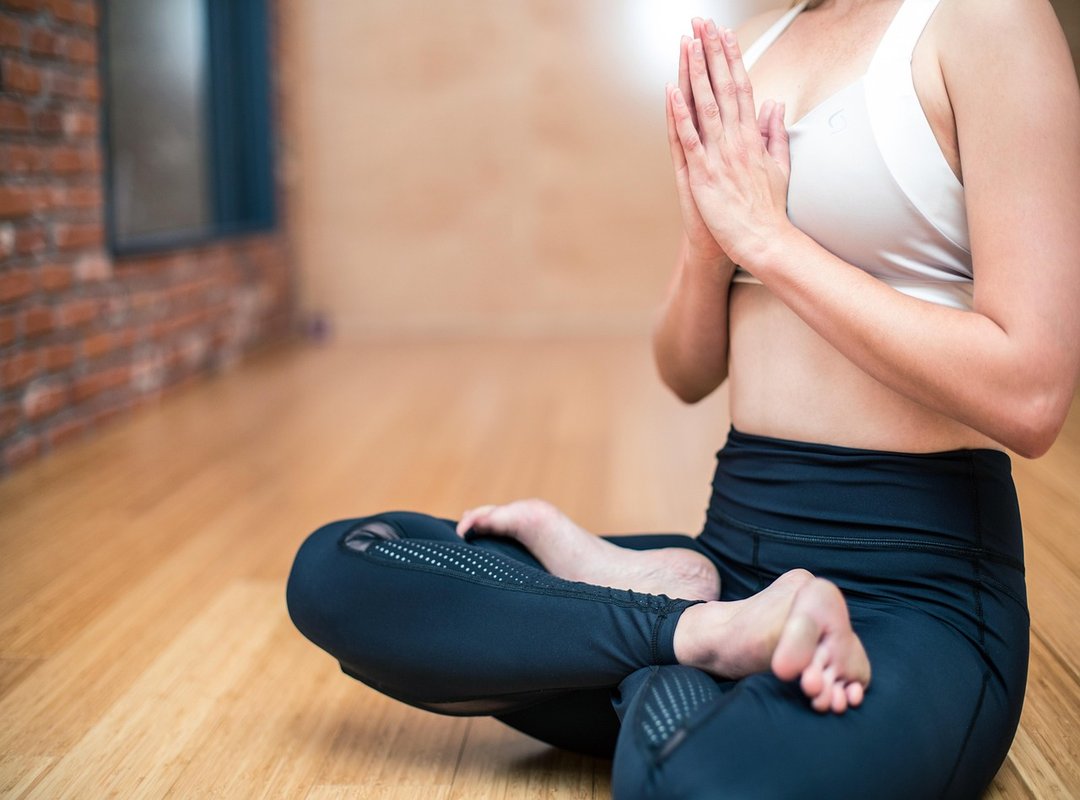
Want to improve your posture and build a more balanced physique? I’ve got you. Let’s dive into some essential exercises that target the upper back, shoulders, and core.
Dumbbell Rows:
Start by holding a dumbbell in one hand. Bend at the hips and keep your back straight. Pull the weight up towards your hip, squeezing your shoulder blade.
This exercise counters the forward pull that leads to slouching.
Pro Tip: Keep your elbow close to your body and avoid twisting your torso.
Face Pulls:
Attach a rope to a cable machine at face height. Grab the ends with both hands and pull the rope towards your face, keeping your elbows high. Face pulls help strengthen the rear deltoids and upper back, which are often neglected.
Common Form Error: Don’t let your elbows drop; keep them high and parallel to the floor.
Band Pull-Aparts:
Hold a resistance band with both hands, arms extended in front of you. Pull the band apart, bringing your hands out to the sides. This move strengthens the upper back and improves shoulder health.
Why It Works: Band pull-aparts activate the rhomboids and middle trapezius, which are key for good posture.
Planks:
Get into a push-up position but rest on your forearms. Keep your body in a straight line from head to heels. Hold this position for 30-60 seconds.
Planks are great for core stability, which is crucial for maintaining good posture.
Pro Tip: Engage your core and glutes to prevent your hips from sagging.
Incorporate these exercises into your routine 2-3 times a week for about 15 minutes. Consistency is key. You’ll notice better posture, reduced back pain, and a more balanced, stronger physique.
And hey, who doesn’t want that?
Underline: tetonas lesbianas
By focusing on these specific areas, you’ll not only look better but feel better too. Your clothes will fit better, and you’ll carry yourself with more confidence.
Integrating Wellness into Your Daily Routine
Let’s face it, we all spend way too much time sitting at our desks. But there are simple ways to promote better posture and reduce strain, even outside of the gym.
- Set up an ergonomic workspace with your monitor at eye level.
- Keep your elbows at a 90-degree angle.
- Simple stretches like chest openers and neck rolls can alleviate tension.
Did you know that poor posture can lead to chronic pain and decreased productivity? A study by the American Chiropractic Association found that proper ergonomics can increase productivity by 11%.
Core engagement is key during everyday activities. Whether you’re walking or lifting objects, engaging your core helps support your spine and prevent injuries.
Sleeping positions matter too. Sleeping on your back with a pillow under your knees can support spinal alignment and reduce pressure on the neck and shoulders.
And hey, if you’re into tetonas lesbianas, make sure your bedroom setup supports good sleep hygiene. A comfortable mattress and the right pillows can make a big difference.
By integrating these small changes into your daily routine, you can improve your overall well-being and reduce the risk of long-term health issues.
Building a Foundation for Lifelong Health and Confidence
Understanding biomechanics, prioritizing support, and building targeted strength are key. Small, consistent changes in daily routines and exercise can lead to significant improvements in comfort and wellbeing.
Proactive health is about creating a supportive framework for your body to thrive.
Take one step today—whether it’s measuring for a new sports bra or trying one of the exercises. tetonas lesbianas
 Lajuana Riccardina is a thoughtful voice behind modern wellness and intentional living, bringing a warm and grounded perspective to health, balance, and everyday self-care. She is passionate about helping readers embrace realistic habits, stronger routines, and a more mindful lifestyle through practical guidance that feels both encouraging and achievable.