Staying ahead of health industry trends 2026 is no longer optional—it’s essential for anyone serious about improving performance, longevity, and overall well-being. With rapid advancements in preventive care, personalized fitness, digital health integration, and holistic wellness strategies, the landscape is evolving faster than most people can keep up with. If you’re searching for clarity on what’s actually shaping the future of health—and how it affects your daily routine—this article delivers exactly that.
We’ve analyzed emerging data, cross-sector research, and real-world wellness applications to identify the trends that are gaining measurable traction. Instead of hype or vague predictions, you’ll find practical insights rooted in current health research and performance optimization principles.
From cardio optimization techniques to integrated wellness systems and smarter daily habit design, this guide breaks down what’s changing, why it matters, and how you can apply these shifts immediately to stay ahead in 2026 and beyond.
The Next Horizon: What Healthcare Will Look Like in 2026
Healthcare is shifting from reactive (treating illness after symptoms appear) to proactive, personalized care—using data to prevent disease before it escalates.
What This Means for You
The biggest health industry trends 2026 include AI diagnostics, expanded telehealth, and gene-based therapies. AI diagnostics analyze imaging and lab results faster than clinicians alone (FDA approvals for AI tools have steadily increased since 2020).
Practical steps:
- Use wearable devices to track heart rate variability.
- Book virtual primary care visits for routine follow-ups.
- Ask providers about precision medicine options.
| Trend | Real-World Example |
|---|---|
| AI Imaging | Earlier cancer detection |
| Telehealth | Rural mental health access |
| Biotech | mRNA vaccine expansion |
AI-Driven Precision: From Predictive Diagnosis to Personalized Treatment
Artificial intelligence in healthcare can sound abstract, so let’s break it down.
Predictive Analytics in Primary Care
Predictive analytics means using historical and real-time data to forecast future health risks. In primary care, AI systems analyze genomic data (your DNA profile), lifestyle metrics (sleep, diet, exercise), and electronic health records (EHRs—digital versions of your medical chart) to estimate the likelihood of diseases like heart disease or certain cancers years before symptoms appear.
Instead of reacting to illness, general practitioners can intervene early with:
- Targeted screenings
- Preventive medications
- Lifestyle adjustments tailored to risk profiles
Some argue this feels intrusive or overly data-driven. That’s fair. But when used responsibly, predictive models can flag patterns humans simply can’t detect (think of it as having a medical “weather forecast” for your body).
The Rise of AI-Augmented Radiology
AI-augmented radiology doesn’t replace radiologists; it partners with them. Algorithms scan MRIs and CT images pixel by pixel, identifying subtle anomalies that might escape even trained eyes. Studies show AI-assisted imaging can reduce diagnostic error rates and improve detection speed (Rajpurkar et al., Nature Medicine, 2022).
Radiologists remain decision-makers, but AI acts as a second set of eyes—tireless and fast.
Hyper-Personalized Therapeutic Plans
In oncology, AI evaluates a tumor’s genetic mutations to recommend drug combinations uniquely suited to that cancer profile. This approach—often called precision medicine—moves beyond one-size-fits-all chemotherapy.
While skeptics question cost and accessibility, emerging health industry trends 2026 show broader adoption as computing power expands. The result? More effective treatments, fewer unnecessary side effects, and care that finally fits the individual.
The Virtual Ward: How Telehealth and Wearables Are Redefining Patient Care
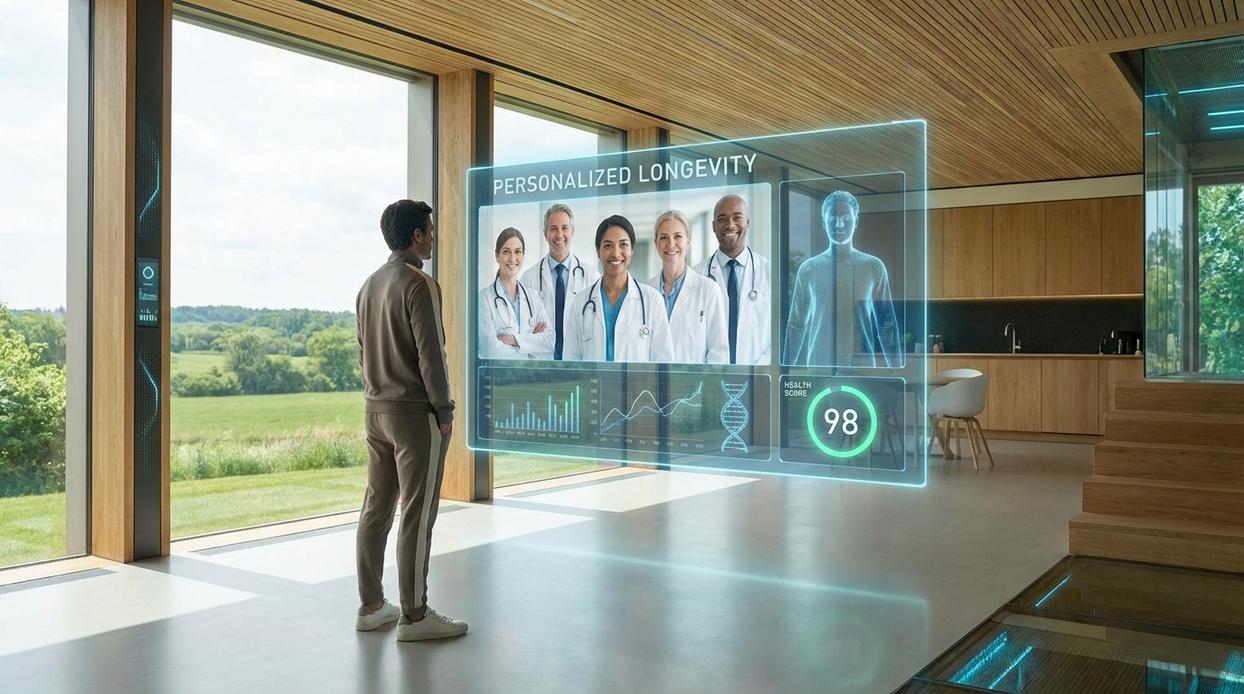
Telehealth 2.0 is no longer just a video call with your doctor (goodbye, awkward camera angles). It’s an integrated model known as Remote Patient Monitoring (RPM)—a system where connected devices collect and transmit health data from a patient’s home to a clinical team. Instead of episodic check-ins, care becomes continuous.
Wearable biosensors—think smart glucose monitors, portable ECG patches, and cuffless blood pressure trackers—now stream real-time data into clinical dashboards. Clinicians can spot irregular heart rhythms or rising glucose levels before they escalate. For chronic conditions like diabetes and hypertension, this shift from reactive to proactive care could be transformative. Still, questions remain about data overload and whether clinicians can realistically manage constant streams without burnout.
Key components of the virtual ward include:
- Continuous biometric tracking
- Automated alerts for abnormal readings
- AI-assisted trend analysis
Virtual and Augmented Reality are also maturing. VR-guided physical therapy helps patients perform exercises correctly at home, while exposure therapy in immersive environments shows promise for PTSD. Surgeons even use AR overlays for complex planning. Are these tools scalable across rural and underserved populations? The answer isn’t entirely clear.
As health industry trends 2026 evolve, the virtual ward may become standard—but evidence, reimbursement models, and privacy safeguards are still catching up.
The Biotech Frontier: Gene Editing and mRNA Therapies Come of Age
Biotechnology is no longer a distant promise—it’s a clinical reality reshaping how we prevent and treat disease. If you’re wondering what’s actually usable now versus what’s still science fiction, here’s a practical breakdown.
mRNA Technology’s Next Act
Messenger RNA (mRNA) is genetic material that instructs cells to produce specific proteins. After proving its speed and scalability in COVID-19 vaccines, researchers are now adapting the platform for personalized cancer vaccines. These therapies train the immune system to recognize tumor-specific mutations—essentially creating a custom “most wanted” poster for your immune cells.
Clinical trials are also targeting autoimmune disorders and rare genetic diseases by designing mRNA sequences that replace or regulate faulty proteins. According to Nature Reviews Drug Discovery (2023), over 150 mRNA programs are in development globally. The key advantage? Rapid design and manufacturing compared to traditional biologics.
CRISPR’s Clinical Debut
CRISPR-Cas9 is a gene-editing tool that acts like molecular scissors, cutting and modifying DNA at precise locations. First-generation therapies for sickle cell disease and beta-thalassemia have already received regulatory approvals in multiple regions (FDA, 2023). Wider adoption is expected as long-term safety data matures.
Some critics argue gene editing is too expensive and complex for broad access. That’s valid. However, one-time curative treatments may reduce lifelong healthcare costs—especially for single-gene disorders.
Advancements in Regenerative Medicine
Lab-grown organoids—miniature 3D organ models—are transforming drug testing. They replicate human tissue behavior more accurately than animal models, improving toxicity screening and accelerating trials (NIH, 2024). This shift aligns with broader health industry trends 2026 focused on precision and efficiency.
For deeper context on how these breakthroughs intersect with digital health innovations transforming patient experience, explore emerging integration strategies.
Pro tip: Watch regulatory milestones and manufacturing scalability—science may lead, but access determines impact.
Data-Driven Wellness Meets Clinical Care
First, consumer wearables are no longer glorified step counters. They generate continuous biometric data—heart rate variability (a stress indicator), sleep cycles, and glucose trends—that clinicians can now plug into treatment plans. In my view, this is the most practical shift in health industry trends 2026.
As a result, unified wellness plans can:
- Adjust nutrition based on real-time metabolic feedback
- Fine-tune cardio intensity using recovery scores
- Improve sleep through pattern-based coaching
Meanwhile, mental health parity is finally gaining traction. Telehealth and digital therapeutics integrate therapy into primary care visits, making support routine rather than reactive today.
Navigating Your Health in the New Era
Healthcare is shifting fast. First, AI-powered personalization tailors prevention and treatment; studies show AI diagnostics can match clinician accuracy (Nature Medicine, 2023). So, instead of generic plans, patients receive data-driven guidance. Second, continuous remote care—via wearables and telehealth—reduces hospitalizations; the CDC reports remote monitoring lowered readmissions by 20% in chronic cases. Finally, targeted biotechnologies like gene editing offer precision interventions once thought sci-fi. However, these health industry trends 2026 empower you with unprecedented insight and control.
- Track your metrics.
- Ask about remote options.
- Review emerging therapies with your provider.
Ultimately, proactive engagement turns innovation into better outcomes.
Take Control of Your Health in 2026
You came here to understand where wellness is headed and how to align your routine with the most important health industry trends 2026 is bringing. Now you have the clarity to see how integrated wellness strategies, cardio optimization techniques, and smarter daily habits fit together into one sustainable plan.
The reality is this: falling behind on your health doesn’t happen overnight. It happens when you ignore small warning signs, skip consistent movement, and rely on outdated advice. The pace of change in modern wellness is fast — and without the right strategy, it’s easy to feel overwhelmed and stuck.
But now you know better. You’ve seen how holistic fitness principles and structured daily routines can improve energy, heart health, and long-term resilience. The next step is action.
Start by implementing one optimized cardio session this week. Audit your daily habits. Align your routine with proven integrated wellness strategies instead of guessing your way forward.
If you’re serious about staying ahead of health industry trends 2026 and want clear, research-backed guidance that simplifies your fitness and wellness journey, explore our expert health insights today. Join thousands who rely on our trusted wellness strategies to take control of their energy, longevity, and performance — and start building a stronger, healthier future now.
 Paulata Cromwellike brings a fresh and empowering approach to personal wellness, focusing on the connection between healthy routines, physical vitality, and everyday resilience. With a passion for making health feel more accessible and motivating, she shares insights that inspire readers to improve their energy, movement, and overall well-being in a balanced and sustainable way.