Staying ahead of health sector trends 2026 isn’t just about curiosity—it’s about making smarter decisions for your body, your routines, and your long-term well-being. With rapid shifts in preventive care, wearable tech, personalized fitness, and integrated wellness strategies, it’s becoming harder to separate meaningful innovation from passing hype.
This article breaks down the most important developments shaping the year ahead, from data-driven cardio optimization to holistic daily performance habits that blend physical, mental, and metabolic health. Whether you’re looking to refine your fitness plan, upgrade your recovery approach, or understand where healthcare delivery is heading, you’ll find clear, practical insights here.
Our analysis draws on current industry reports, emerging research, and expert-backed wellness frameworks to ensure you’re getting accurate, up-to-date guidance. By the end, you’ll have a focused understanding of what truly matters in 2026—and how to apply it to your everyday health strategy.
The 2026 Wellness Shift: How to Prepare for What’s Next
The health sector trends 2026 conversation is shifting from quick fixes to integrated optimization. Here’s what matters most:
• Precision prevention (using biomarkers—measurable health indicators like blood glucose variability—to predict risk before symptoms appear)
• AI-guided fitness programming tailored in real time
• Cardio optimization focused on heart rate variability for resilience
• Mental fitness stacking—combining breathwork, mobility, and cognitive drills
Skeptics say trends are just repackaged basics. Fair. But data from wearable adoption and biotech funding suggests otherwise (McKinsey, 2025).
What’s next? Audit your metrics, streamline recovery, and build routines that adapt as fast as the science does.
Prediction 1: Hyper-Personalization Moves from Luxury to Standard
For years, fitness advice followed a one-size-fits-all formula—generic calorie targets, standardized cardio plans, and templated meal guides. However, mounting evidence shows personalization drives better outcomes. A 2022 study in Nature Medicine found that individuals had highly variable glucose responses to identical meals, reinforcing that metabolism is deeply personal. In other words, your “healthy” lunch might spike your blood sugar while barely affecting someone else’s.
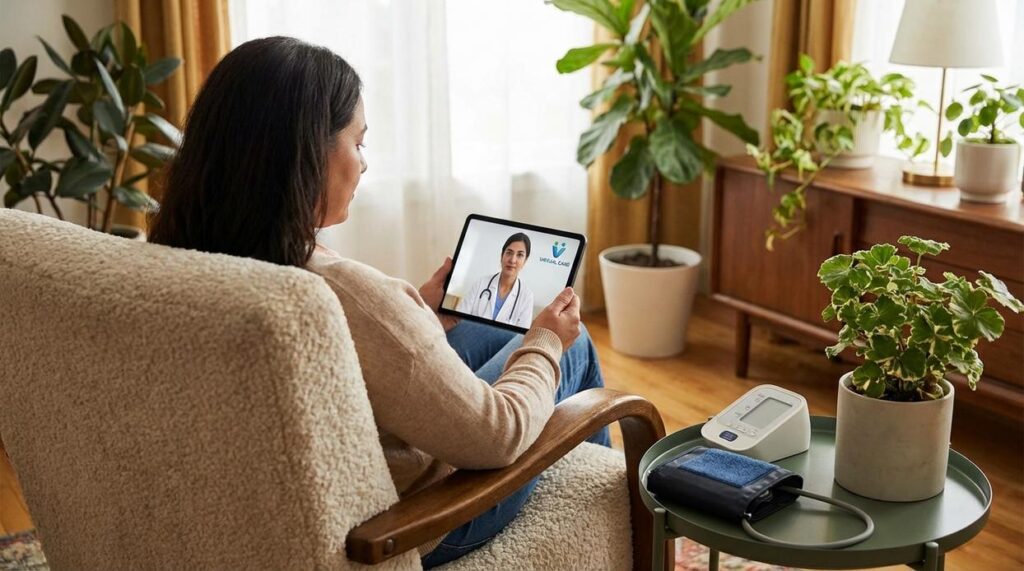
As health sector trends 2026 continue to evolve, hyper-personalization is quickly becoming the baseline rather than a boutique perk. Wearables now track heart rate variability (HRV)—a measure of nervous system recovery—alongside sleep cycles and continuous glucose levels. According to IDC, global wearable shipments surpassed 500 million units annually, signaling mainstream adoption.
More importantly, next-generation devices don’t just collect data; they interpret it. Instead of showing last night’s poor sleep score, your watch may recommend:
- Reducing high-intensity intervals today
- Increasing hydration by 20%
- Shifting carb intake to earlier meals
Consider this integrated scenario: your smartwatch detects low HRV and fragmented sleep. Meanwhile, your smart scale records slight water retention, and your meal-logging app flags elevated glucose variability. Consequently, your cardio plan automatically adjusts to low-intensity steady-state training, and your nutrition app nudges you toward fiber-rich foods and balanced macros.
Skeptics argue this level of automation removes human intuition. Yet research from McKinsey shows personalized wellness programs improve adherence by up to 30%. The data suggests otherwise: smarter inputs create smarter outcomes.
Prediction 2: The Fusion of Mental and Physical Fitness
Step into a 2026 gym and you won’t just hear the thud of kettlebells or the rhythmic whir of treadmills—you’ll notice something quieter: guided breathing cues pulsing through wireless earbuds, heart rate variability (HRV) scores glowing softly on smartwatch screens. The old divide between “mind” and “body” workouts is dissolving.
For years, critics argued that mental health belongs in therapy rooms, not weight rooms. They say adding cognitive drills to squats and sprints overcomplicates fitness. Fair point—no one wants a philosophy lecture mid-burpee. Yet mounting research shows exercise directly impacts mood regulation and cognitive function (Harvard Health Publishing, 2023). Ignoring that link is like owning a smartphone and only using it to make calls.
This shift reflects broader health sector trends 2026, where prevention and integration replace siloed care. Neuro-athletics—training that blends movement with brain optimization—pairs agility drills with reaction-time apps or balance work with visualization techniques. (Think chess-boxing, minus the bruises.)
A typical session? It might begin with a 5-minute HRV-guided breathing exercise: slow inhales, cool air filling your lungs, shoulders dropping as cortisol levels ease. Then comes cardio calibrated for mood enhancement—steady-state cycling or incline walking designed to trigger endorphin release while keeping stress hormones stable (American Psychological Association, 2022).
Skeptics may call it trendy branding. But when workouts leave you clear-headed, muscles humming, and thoughts sharper, the benefits feel tangible. For deeper context on systemic shifts, explore emerging public health challenges to watch this year.
Prediction 3: Cardio Optimization Becomes a Household Metric

Not long ago, metrics like VO2 max (the maximum amount of oxygen your body can use during intense exercise) were reserved for elite cyclists and Olympic runners. Now, they’re showing up on everyday smartwatches. As wearables simplify complex data, cardio optimization is shifting from niche performance talk to kitchen-table conversation.
Some argue this is just another fitness fad—remember when everyone obsessed over 10,000 steps? Fair point. Metrics can become noise if misunderstood. But cardiovascular health remains the leading predictor of longevity (American Heart Association), and VO2 max is strongly correlated with reduced all-cause mortality (JAMA Network Open, 2018). This isn’t hype; it’s physiology.
Thanks to smarter sensors and AI-driven insights—key themes in health sector trends 2026—tracking heart rate zones is easier than ever. Here’s a practical mini-guide:
- Zone 1 (50–60% max HR): Recovery and light movement. Great for beginners.
- Zone 2 (60–70%): Fat oxidation and mitochondrial efficiency. Ideal for building endurance and daily energy.
- Zone 3 (70–80%): Aerobic capacity and stamina.
- Zone 4 (80–90%): Performance gains and speed.
- Zone 5 (90–100%): Short bursts for peak output.
Pro tip: If you can hold a conversation but not sing, you’re likely in Zone 2 (the sweet spot for sustainable cardio gains).
The real win isn’t elite performance—it’s feeling less winded on stairs and more energized by 3 p.m. That’s when optimization becomes practical, not performative.
Prediction 4: The Rise of the Circadian-Aligned Daily Routine
Start with an anecdote about dragging myself through 6 a.m. workouts that left me wired at midnight. Turns out, my circadian rhythm—your body’s internal 24-hour clock—was misaligned. When I shifted deep work to late morning and strength training to early evening, everything clicked. Energy, focus, sleep. ALL improved.
Circadian-aligned living means timing meals, workouts, and creative tasks to your chronotype, whether you’re a lark or night owl. Critics say rigid scheduling ignores real life. Fair. But shifts—like dimming lights after sunset—signal melatonin release (Harvard Health, 2023).
In health sector trends 2026, smart homes and apps will automate this alignment:
- adjusting light temperature,
- nudging ideal meal times,
- protecting DEEP work.
Pro tip: track energy for two weeks.
Building your 2026 health action plan today starts with clarity. You can see where care is heading: personalized, predictive, and powered by data. Yet navigating this shift doesn’t have to feel overwhelming. In fact, research shows that people who track just one health metric are 2x more likely to sustain behavior change (American Heart Association). So, focus on four pillars: personalization, mental-physical integration, cardiovascular strength, and routine alignment. For example, a weekly 10-minute Zone 2 session can improve mitochondrial efficiency, supporting longevity. As health sector trends 2026 confirm, prevention beats reaction. This week, start small, track sleep, and build forward.
Take Control of Your Wellness Journey Today
You came here to better understand where your health routine fits into the bigger picture of health sector trends 2026—and now you have that clarity. From holistic fitness principles to cardio optimization and smarter daily habits, you can see how integrated wellness strategies are shaping the future of sustainable health.
But knowing the trends isn’t enough. The real challenge is staying consistent, avoiding burnout, and building a routine that actually delivers results. That frustration of starting strong and losing momentum? It ends when you follow a structured, science-backed approach designed for real life.
Now it’s time to act. Start applying one integrated strategy today—optimize your cardio, refine your daily routine, and align your habits with where modern wellness is headed. Join thousands who are already transforming their health with proven, research-driven methods. Don’t wait for another setback—commit now and take control of your long-term vitality.
 Paulata Cromwellike brings a fresh and empowering approach to personal wellness, focusing on the connection between healthy routines, physical vitality, and everyday resilience. With a passion for making health feel more accessible and motivating, she shares insights that inspire readers to improve their energy, movement, and overall well-being in a balanced and sustainable way.