
Staying ahead in today’s evolving health landscape means understanding more than just fitness tips or nutrition trends. You’re here because you want a clear, reliable snapshot of where healthcare is heading—and how it impacts your daily wellness, performance, and long-term vitality. This article delivers exactly that.
We break down the most important healthcare workforce trends shaping patient care, preventive strategies, and access to services, then connect those shifts to practical, holistic actions you can take. From cardio optimization techniques to integrated wellness routines, we translate industry-level insights into daily habits that actually move the needle.
Our insights are grounded in current health data, expert-reviewed research, and real-world clinical observations to ensure accuracy and relevance. Instead of overwhelming you with jargon, we focus on what matters: actionable strategies, smarter routines, and a deeper understanding of the forces influencing modern healthcare.
By the end, you’ll have a clearer picture of today’s healthcare environment—and a stronger, more intentional plan for your own well-being.
The New Blueprint for a Career in Healthcare
Post-2020, the healthcare system has been stretched to its limits, reshaped by burnout, rapid digitization, and shifting patient expectations. Traditional ladders are splintering. Roles once considered linear are now fluid, influenced by healthcare workforce trends that even experts are still decoding.
I’ll be honest: not every data point agrees. Some reports predict stabilization; others warn of deeper shortages. What’s clear is change.
Drawing from labor reports and surveys, this snapshot highlights:
- The gig economy’s expansion into clinical staffing and technology’s emergence as a “team member.”
Expect clarity, not crystal balls.
The Shift to Portfolio Careers and Flexible Work
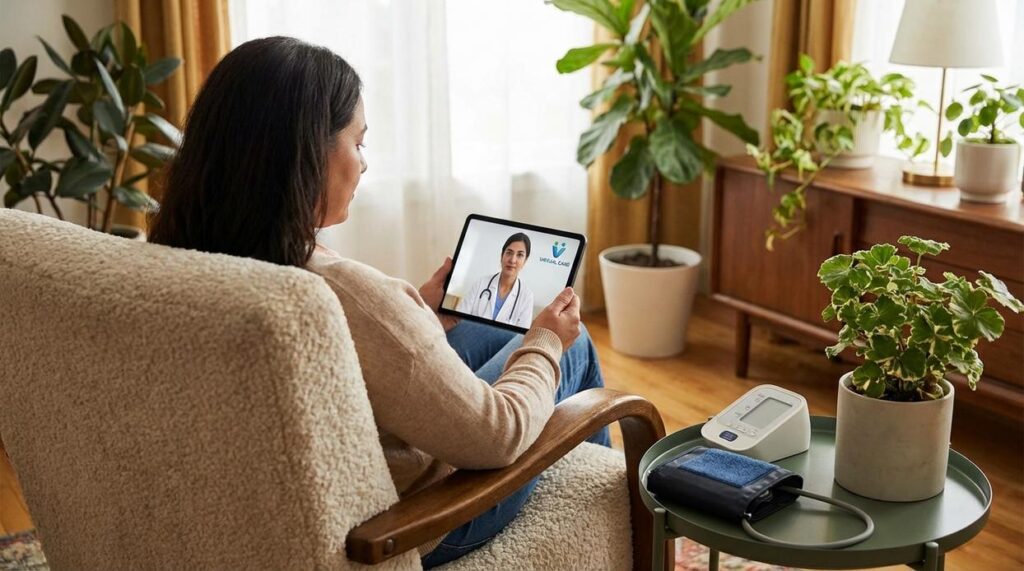
The traditional model of one full-time employer for an entire career is steadily fading. In its place, many clinicians are building what’s called a portfolio career—a professional structure where income and impact come from multiple roles at once. For example, a physician might split time between in-person clinic work, telehealth consultations, and paid advisory work for a digital health startup. Instead of relying on one revenue stream, they diversify (much like an investment portfolio).
Why Clinicians Are Choosing Flexibility
So, what’s driving this shift? First, burnout remains a defining issue. Studies in JAMA report physician burnout rates exceeding 40% in recent years (Shanafelt et al., 2022). Consequently, clinicians are seeking schedules that protect mental and physical health. Second, there’s growing demand for better work-life integration—meaning work fits around life, not the other way around. Finally, many professionals want varied experiences that sharpen new skills and prevent monotony (because doing the same clinic schedule for 20 years isn’t everyone’s dream).
How Health Systems Are Adapting
In response to healthcare workforce trends, hospitals and clinics are redesigning staffing models. They’re expanding locum tenens (temporary placement physicians), offering fractional leadership roles, and building hybrid telehealth positions. These features benefit organizations by reducing turnover and broadening talent pools.
Practically speaking, a nurse practitioner might work three days in primary care, one day in telehealth, and reserve Fridays for wellness consulting. A physician could combine 0.6 FTE hospital shifts with remote second-opinion services. Pro tip: structure contracts with aligned scheduling blocks to prevent role overlap and protect recovery time. Ultimately, flexibility isn’t just a perk—it’s a sustainability strategy.
Technology as a Coworker: AI and Automation’s Impact
For years, the dominant narrative claimed AI would replace clinicians. However, the reality looks far more collaborative. In practice, technology functions as a coworker—handling repetitive administrative tasks, flagging anomalies in imaging scans, and streamlining documentation—so professionals can focus on patient care. AI-assisted diagnostics, for example, can analyze radiology images in seconds, highlighting potential concerns for physician review (the digital equivalent of a very fast second opinion). The benefit is clear: faster insights, fewer oversights, and more time for human judgment.
At the same time, entirely new roles are emerging. Clinical informaticists translate patient data into actionable care strategies. AI implementation specialists ensure machine-learning tools integrate smoothly with electronic health records. Digital health coordinators guide patients through remote monitoring platforms and telehealth systems. These positions reflect broader healthcare workforce trends and demonstrate that innovation often creates opportunity rather than eliminates it.
Consequently, skillset evolution is essential. Data literacy—the ability to read, interpret, and question data outputs—has become as important as bedside manner. Digital tool proficiency ensures clinicians can confidently use automation platforms without disrupting workflows. Equally critical is collaborative fluency: understanding when to trust automated systems and when human expertise must override them.
Consider cardio optimization. Wearable devices now track heart rate variability, oxygen saturation, and activity levels in real time. Specialized teams analyze this data to design preventative interventions long before symptoms escalate. It’s preventative care powered by analytics—less “emergency room drama,” more steady, proactive tuning. Ultimately, when technology works alongside professionals, outcomes improve and workloads become more sustainable.
The Expanded Role of Allied Health Professionals

Physician shortages have left many communities, especially rural areas, without consistent primary care. To address this gap, Nurse Practitioners (NPs) and Physician Assistants (PAs) are stepping in with advanced clinical training that allows them to diagnose, prescribe, and manage chronic conditions. These clinicians are part of broader healthcare workforce trends that respond to rising demand and an aging population. In simple terms, they help fill the doctor shortage while maintaining quality standards.
Meanwhile, top-of-license practice means professionals perform the full range of duties their education permits, rather than being limited by outdated regulations. As states expand scope-of-practice laws, many NPs can operate independently, particularly in primary care settings. Some critics worry this reduces physician oversight; however, studies show comparable patient outcomes in routine care.
At the same time, care is shifting toward a collaborative, team-based model where physicians, nurses, nutritionists, physical therapists, and mental health specialists coordinate treatment plans. This integrated approach supports prevention and chronic disease management, aligning with insights from preventive care statistics that are changing patient outcomes. It is a practical shift that prioritizes access, efficiency, and whole-person wellness. Ultimately, patients gain faster access to coordinated, comprehensive care. With clarity.
Workforce well-being has moved from buzzword to board-level policy. Today, leading health systems appoint Chief Wellness Officers, expand confidential mental health resources, and offer flexible scheduling as standard practice. This shift reflects healthcare workforce trends showing burnout drives turnover and medical errors (National Academy of Medicine).
However, critics argue wellness programs are expensive perks. In reality, step one: measure absenteeism and engagement. Step two: pilot protected recovery time or peer-support rounds. Step three: track retention and patient satisfaction. Organizations investing proactively see stronger loyalty and safer care (Harvard Business Review). Pro tip: tie wellness metrics to leadership bonuses for accountability.
Stepping back, we can see the pattern clearly. Flexible careers are rising, technology is woven into daily practice, allied health roles are expanding, and well-being is finally treated as mission-critical. In my view, that’s not a crisis—it’s progress.
Some argue the system is weakening, pointing to burnout and staffing gaps. However, I believe healthcare workforce trends show evolution, not erosion. Roles are shifting, skills are stacking, and institutions that adapt will thrive.
Ultimately, this is a fundamental redesign of care delivery—opening space for smarter workflows, better patient outcomes, and innovations we’re only beginning to imagine. The future demands adaptability. Now.
Take Control of Your Health Momentum
You came here to better understand how today’s healthcare workforce trends are shaping access, quality, and the future of care—and now you have the clarity to move forward with confidence.
The reality is clear: staffing shortages, burnout, and shifting care models directly impact the consistency and quality of the support you receive. When the system feels strained, your personal health strategy becomes even more important. That’s why taking a proactive, integrated approach to fitness, recovery, and daily wellness habits isn’t just helpful—it’s essential.
Here’s your next step: don’t wait for the system to optimize itself. Start optimizing yourself. Build a structured routine, prioritize cardio efficiency, and adopt sustainable wellness strategies that protect your long-term vitality.
If you’re tired of fragmented advice and want proven, holistic guidance that simplifies your health journey, now’s the time to act. Explore our expert-backed insights and practical frameworks today and take control of your health with confidence.
 Lajuana Riccardina is a thoughtful voice behind modern wellness and intentional living, bringing a warm and grounded perspective to health, balance, and everyday self-care. She is passionate about helping readers embrace realistic habits, stronger routines, and a more mindful lifestyle through practical guidance that feels both encouraging and achievable.