Staying healthy today isn’t just about eating better or exercising more — it’s about understanding how fitness, prevention, and daily habits work together. If you’re searching for practical ways to improve your energy, strengthen your heart, and build sustainable routines, this guide delivers a clear, research-informed roadmap. We break down holistic fitness principles, cardio optimization techniques, and simple daily routine upgrades that create measurable, long-term results.
This article is built to give you more than surface-level advice. It connects health sector insights with real-world application, showing how integrated wellness strategies and community wellness models support both individual performance and collective well-being. Our approach draws from evidence-based health research, preventive care frameworks, and performance optimization science to ensure every recommendation is grounded in credible findings.
Whether you’re refining your workout structure, improving cardiovascular efficiency, or redesigning your daily habits, you’ll find actionable guidance designed to help you move, feel, and function better — consistently and sustainably.
Beyond Individual Efforts: Building a Thriving Community Wellness Ecosystem
We often assume personal discipline alone drives health. I disagree. When initiatives focus only on isolated goals, momentum fades and inequities widen. Real change happens when neighborhoods, schools, and workplaces align around shared priorities.
In my view, effective community wellness models blend public health data with holistic fitness principles—think safe parks, cardio clubs, and routine coaching working together.
• Assess local risks using evidence-based surveys.
• Build cross-sector partnerships for accountability.
• Track outcomes transparently to sustain trust.
Some argue individual grit is enough, but I believe ecosystems outperform willpower alone.
The Socio-Ecological Model: Structuring Wellness Across Every Layer of Society
The Socio-Ecological Model is a framework that explains how health is shaped by five nested layers of influence. Think of it like Russian dolls: each layer fits inside a larger system, and real change happens when they work together.
1. Individual Level
This focuses on personal knowledge, attitudes, and skills. For example, offering workshops on nutrition and cardio optimization helps people understand why 150 minutes of moderate exercise per week reduces heart disease risk (CDC). Skill-building—like learning how to read food labels—turns information into action.
2. Interpersonal Level
Here, relationships matter. Social networks influence behavior more than we realize (Harvard Health). Examples include:
- Community walking groups
- Family fitness challenges
Support creates accountability (and a little friendly competition never hurts).
3. Organizational Level
Institutions shape daily habits. Schools can improve lunch quality, while workplaces can implement wellness programs with movement breaks and health screenings. These systems make the healthy choice the easy choice.
4. Community Level
This layer connects organizations. Partnering local gyms with community centers for subsidized memberships expands access. Many community wellness models show collaboration increases participation rates in physical activity initiatives.
5. Public Policy Level
Policies influence entire populations. Advocating for bike lanes, public parks, and zoning for farmers’ markets creates environments where healthy living is practical—not privileged.
If you’re building a wellness strategy, address at least three layers simultaneously for measurable, lasting impact.
The Integrated Wellness Wheel: A Holistic Blueprint for Community Programs
The Integrated Wellness Wheel is a multi-dimensional framework that expands health beyond doctor visits and gym memberships. It includes Physical, Emotional, Social, Intellectual, Occupational, and Environmental wellness—each representing a core pillar of human thriving. Physical wellness refers to bodily health and activity levels. Emotional wellness covers stress management and resilience. Social wellness centers on meaningful relationships. Intellectual wellness involves lifelong learning. Occupational wellness reflects career stability and purpose. Environmental wellness focuses on safe, sustainable surroundings. Together, they form one of the most practical community wellness models available today.
Mapping Programs to Multiple Dimensions
Strong initiatives rarely fit into just one category (and that’s a good thing). A community garden, for example, boosts Physical wellness through movement and fresh produce, Social wellness through shared workdays, and Environmental wellness by increasing green space. One program, three benefits.
A financial literacy series strengthens Occupational wellness by improving career stability, Intellectual wellness by teaching new skills, and Emotional wellness by reducing money-related stress. According to the APA, financial stress significantly impacts mental health (APA, 2023).
Using the Wheel as a Diagnostic Tool
Map your current programs onto each dimension. Are you heavy on fitness classes but light on career support? That imbalance signals opportunity. Pro tip: conduct quarterly audits to spot gaps early. For further guidance, explore integrated frameworks like those outlined by the CDC (https://www.cdc.gov/workplacehealthpromotion/).
Community-Based Participatory Action: Empowering Residents to Lead the Change
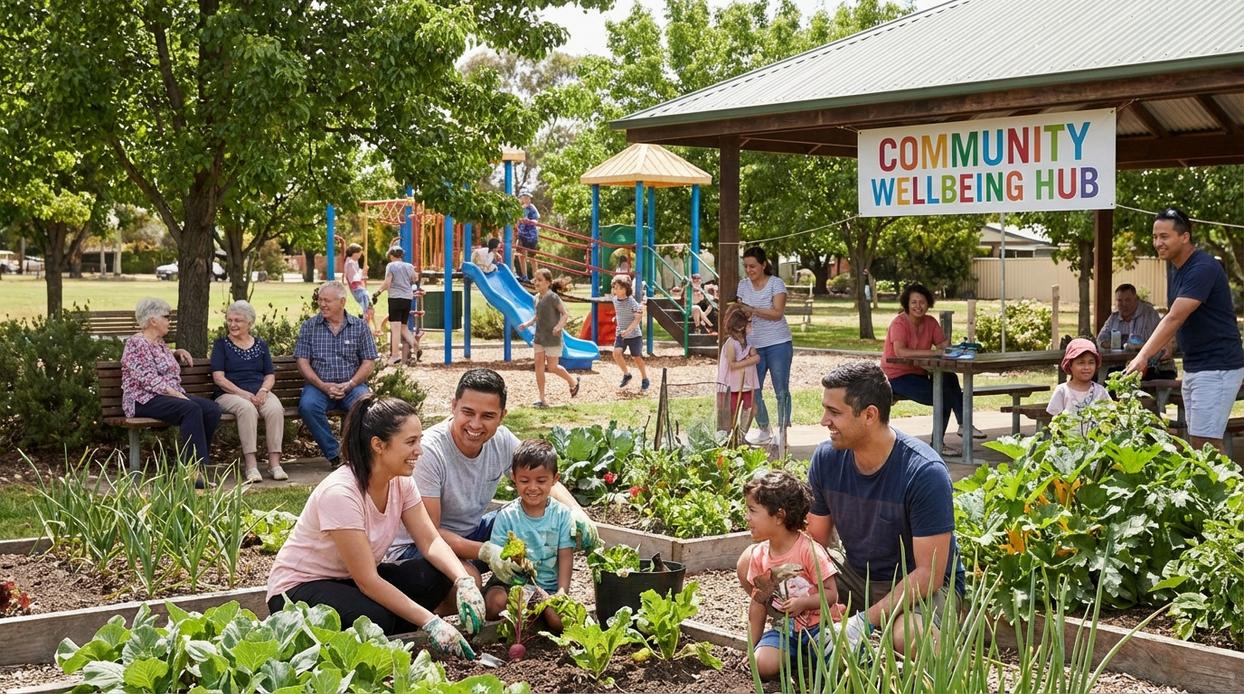
At its core, Community-Based Participatory Action (CBPA) is built on the “With Not For” philosophy. That means programs are created with residents—not for them. In traditional top-down models, outside experts diagnose problems and prescribe solutions. In CBPA, community members are equal partners in research, planning, and implementation (think less “hero swoops in,” more ensemble cast solving it together).
A vs. B: Why the Difference Matters
Traditional Approach (For the Community)
- External experts lead
- Limited resident input
- Short-term engagement
Participatory Approach (With the Community)
- Shared decision-making
- Solutions reflect lived experience
- Stronger long-term sustainability
Research shows participatory initiatives improve program relevance and trust, increasing adoption rates (CDC, 2011). When residents co-create solutions, buy-in isn’t forced—it’s natural.
The Process in Action
- Form a diverse community coalition
- Identify pressing health issues together
- Co-design and launch an intervention
- Evaluate results and refine collaboratively
Unlike rigid frameworks, this cycle evolves—much like community wellness models that adapt to changing needs.
Case Study Snapshot
In one neighborhood, teens led a campaign for safe recreational spaces. They gathered survey data, presented safety concerns to city officials, and helped design updated parks. The result? Increased physical activity and reduced vandalism within a year (Urban Institute, 2019).
And when paired with tools like tracking wellness metrics for long term lifestyle change, communities can measure progress and keep momentum strong.
From Blueprint to Reality: Your 4-Step Implementation Guide
Think of this process like building a house. Before you hang curtains, you inspect the foundation. Step 1: Assess Needs & Assets. Map your community’s strengths—parks, leaders, shared spaces—like an architect surveying land before drawing plans. After all, you can’t fix what you haven’t measured.
Next, Step 2: Select & Adapt Your Model. Choose from community wellness models the way a chef selects a recipe—then adjust for local taste. A rural town may need flexibility; an urban hub might prioritize access and density.
Then, Step 3: Build Strategic Partnerships. Think of partners as beams holding up the structure; without them, everything wobbles.
Finally, Launch, Measure & Iterate. Start small, track participation and well-being, and refine. Like tuning an engine, small adjustments drive lasting performance.
Activating a Movement for Lasting Collective Health
Revisiting the goal, this guide moved beyond temporary fixes and toward a sustainable culture of health. In other words, lasting change means systems, not quick wins. community wellness models clarify this idea. They are integrated approaches—meaning physical, mental, and social health work together rather than in silos. However, some argue outside experts should dictate solutions. Yet evidence from the CDC shows community-led programs improve outcomes (CDC, 2023). So, start with shared vision, define clear metrics—measurable targets—and assign roles. Finally, revisit progress regularly and adjust with transparency. That structure turns intention into health momentum.
Build a Stronger, Healthier Routine Starting Today
You came here looking for practical, sustainable ways to improve your health without feeling overwhelmed. Now you have a clearer roadmap—holistic fitness principles, smarter cardio optimization techniques, daily routine upgrades, and the power of community wellness models working together instead of in isolation.
The real pain point was never a lack of motivation. It was confusion, inconsistency, and trying to piece together fragmented advice. When your workouts, recovery, nutrition, and daily habits don’t align, progress stalls and frustration builds.
The solution is integration. Align your routines. Optimize your cardio with intention. Use small daily habit shifts to compound results. And plug into community wellness models that reinforce accountability and shared growth.
Now take action: choose one cardio optimization strategy and one daily routine upgrade to implement this week. Don’t wait for “perfect timing.” Start today.
If you’re ready for clear, proven, and practical wellness strategies that eliminate guesswork and deliver real results, take the next step now. Join a trusted, top-rated wellness platform designed to simplify your health journey and help you stay consistent. Your stronger, more energized life begins with one committed move—make it today.
 Quenric Zephorin, founder of Jalbite Health, is passionate about making wellness feel practical, balanced, and achievable in everyday life. Through Jalbite Health, he shares clear health sector snapshots, holistic fitness principles, integrated wellness strategies, cardio optimization techniques, and daily routine hacks designed to help readers build stronger habits and live with more energy, focus, and confidence.