
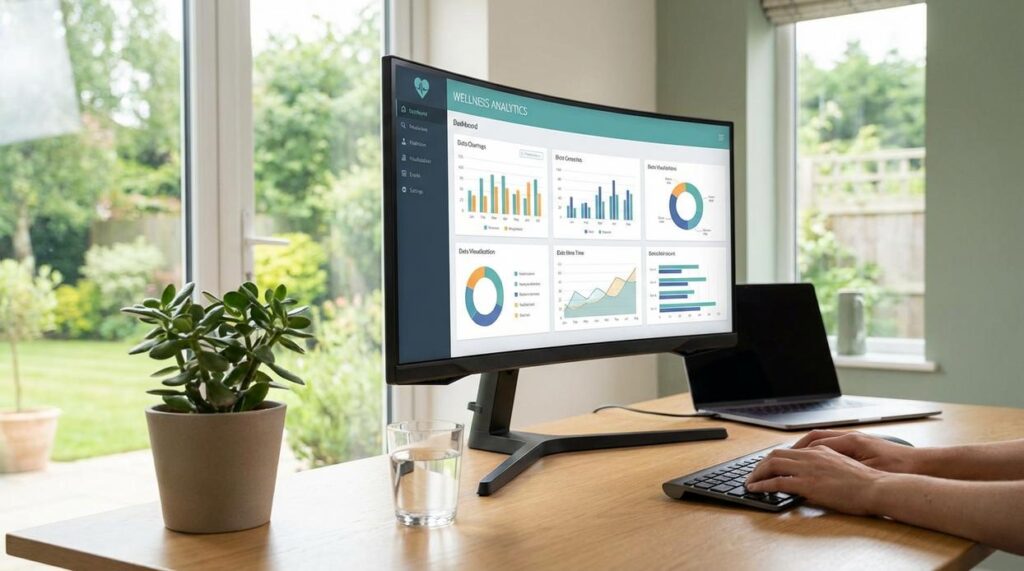
Staying healthy today isn’t just about eating better or exercising more — it’s about understanding how every part of your routine works together. If you’re looking for practical, science-backed ways to improve your energy, optimize heart health, and build sustainable daily habits, this article delivers exactly that.
We break down holistic fitness principles, cardio optimization techniques, and integrated wellness strategies into clear, actionable steps you can apply immediately. More importantly, we explain how consistent wellness metrics tracking can transform guesswork into measurable progress, helping you see what’s working and where to adjust.
Our insights are grounded in current health research, evidence-based fitness methodologies, and real-world performance data across preventive care and lifestyle optimization. Whether your goal is better endurance, improved metabolic health, or a more balanced daily routine, this guide gives you a structured, informed path forward — without fads or fluff.
Beyond the Scale: A Modern Guide to Health Monitoring
Stepping on the scale can feel like a verdict. But body weight alone ignores muscle gain, hydration, hormones, and stress. That’s why so many people feel stuck despite real progress.
Health metrics are measurable signals of how your body functions. Think resting heart rate (beats per minute at rest), sleep quality, waist circumference, and energy levels.
With wellness metrics tracking, you’ll learn:
- What to measure
- Why each number matters
- How to adjust daily habits accordingly
It’s less bathroom scale, more dashboard clarity (your body isn’t a reality show scoreboard). Track smarter.
The Core Four: Foundational Indicators for Daily Tracking
If you track only four things, make it these. Think of them as your body’s daily dashboard (yes, like checking your phone battery before leaving home).
Sleep Quality
Sleep duration is how long you’re in bed. Sleep quality is what happens while you’re there—specifically REM (Rapid Eye Movement, the dream stage tied to memory and learning) and deep sleep (physical repair and growth hormone release). According to the National Sleep Foundation, adults need 7–9 hours, but fragmented sleep reduces recovery even if you “hit” eight hours. Some argue total hours matter more than stages. Fair—but research shows deep sleep supports tissue repair and immune function, while REM sharpens cognition (NIH). Prediction: wearables will soon score sleep architecture more accurately, making quality the primary metric over quantity.
Heart Rate Variability (HRV)
HRV measures the variation between heartbeats. Higher trends generally signal a well-recovered nervous system and better stress resilience. Critics say HRV fluctuates too much day to day. True—so focus on trends, not single readings. Expect future apps to blend HRV with AI-driven stress forecasts.
Active Energy vs. Steps
Steps capture low-intensity movement. Active energy (calories burned during moderate-to-high intensity work) reflects cardiovascular demand. A slow 10,000 steps isn’t the same as 20 minutes of intervals. Intensity drives VO2 max improvements (American Heart Association). Pro tip: schedule at least two heart-pumping sessions weekly.
Hydration Status
Mild dehydration impairs focus and mood (Harvard Health). Use a urine color chart, set app reminders, and pair water with meals. In the future, wellness metrics tracking may include real-time hydration sensors. Until then, pale straw-colored urine is your green light.
Advanced Metrics: Gaining a Deeper Wellness Snapshot
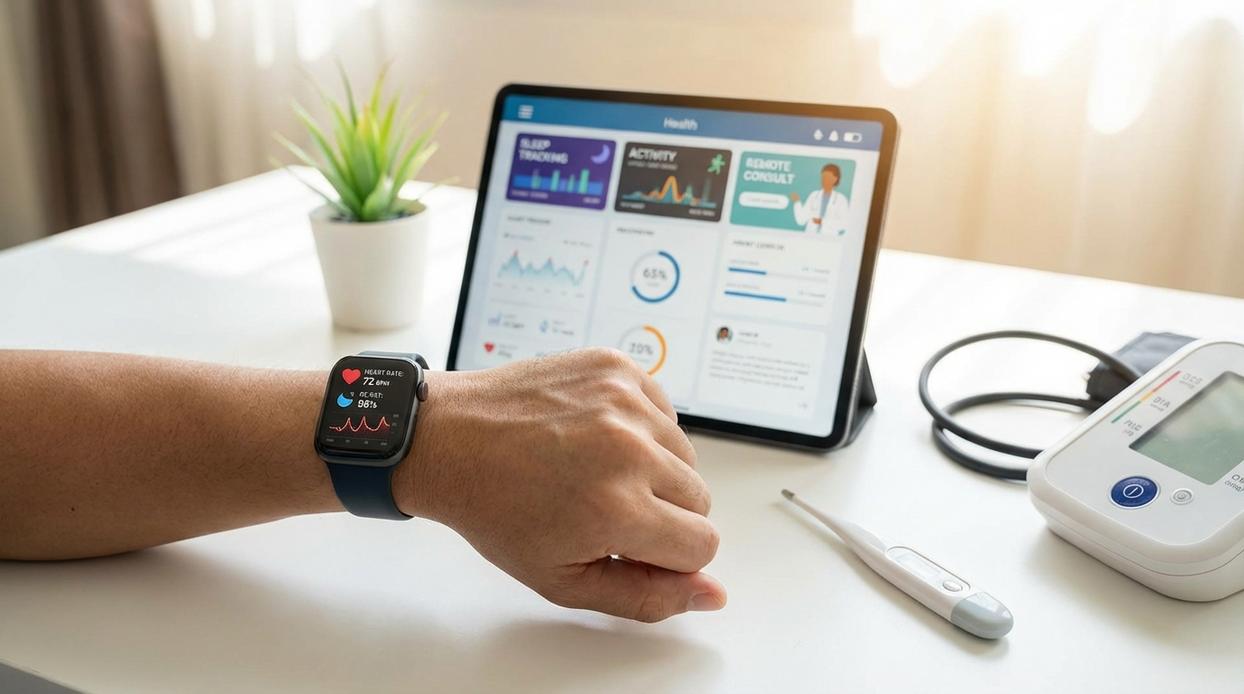
If you want real progress, you need more than a scale. Advanced metrics show what’s actually changing beneath the surface—and that’s where the benefits compound.
Resting Heart Rate (RHR) Trends
Resting Heart Rate (RHR) is the number of beats your heart makes per minute while fully at rest. Tracking it over weeks and months reveals cardiovascular efficiency. As your heart becomes stronger, it pumps more blood per beat, meaning fewer beats are needed (a downward trend is a win). The payoff? Better endurance, improved recovery, and lower long-term cardiovascular risk (American Heart Association). Consistent RHR tracking turns vague effort into visible progress.
Body Composition Insights
Body fat percentage measures how much of your body is fat versus lean mass (muscle, bone, organs). Unlike weight alone, it shows whether you’re losing fat, gaining muscle, or both. You don’t need expensive scans—progress photos, waist measurements, and how clothes fit provide practical insight. The benefit is clarity: you stay motivated because you see meaningful change, not just a fluctuating number.
Blood Oxygen Saturation (SpO2)
SpO2 reflects the percentage of oxygen in your blood. Healthy levels typically range from 95–100% (Cleveland Clinic). After intense workouts, stable SpO2 suggests efficient respiratory recovery. Monitoring this adds confidence that your training is building capacity—not just fatigue.
Subjective Wellness Score
Rate your daily energy, mood, and soreness from 1–10. This simple habit adds context to wellness metrics tracking. Numbers tell you what happened; your score tells you how it felt. Together, they guide smarter adjustments—especially when building an integrated wellness plan for busy professionals: https://jalbitehealth.com.co/building-an-integrated-wellness-plan-for-busy-professionals/.
Creating Your Integrated Wellness Dashboard
An integrated wellness dashboard isn’t about obsessing over numbers; it’s about turning insight into energy, focus, and better decisions. When your data works together, you stop guessing and start adjusting with confidence.
Choosing Your Tools
First, decide how you’ll track. Free mobile apps and simple journaling are flexible and low-cost (and surprisingly effective if you’re consistent). On the other hand, wearables like smartwatches and smart rings automate data collection—capturing sleep stages, heart rate variability (HRV), and activity without extra effort. Some argue high-tech tools are distracting or unnecessary. Fair point. However, the real advantage comes from consistency, not complexity. The best tool is the one you’ll actually use daily.
The Art of Spotting Patterns
Next, connect the dots. For example: “After nights with less than 45 minutes of deep sleep, my HRV drops and my energy score tanks.” That’s actionable. This kind of wellness metrics tracking helps you predict off-days before they spiral. Over time, patterns reveal which habits fuel peak performance—and which quietly drain you.
The 5-Minute Weekly Review
Finally, block five minutes each week. Review trends, then set one or two micro-goals. Low activity? Schedule two cardio sessions. Poor sleep? Adjust your wind-down routine. Small tweaks compound (like interest, but for your vitality).
Start with an anecdote about burnout from tracking everything. I once tracked calories, steps, sleep stages, heart rate variability, mood, and water intake all at once—and quit within two weeks. The problem wasn’t effort; it was overload.
-
Data Overload vs. Actionable Insight: Pick two or three metrics tied to your goal. Training for a 5K? Focus on pace and recovery. Trying to lower blood pressure? Track readings and sodium. Pro tip: fewer numbers, better decisions.
-
Observation, Not Obsession: A “bad” day isn’t failure; it’s feedback.
-
The Inconsistency Trap: Sporadic wellness metrics tracking hides trends. Consistency reveals progress.
From Data Points to Lasting Habits
That moment when you sigh, “I’m doing everything right—so why isn’t anything changing?” We’ve all heard it. The scale stalls, motivation dips. But now you have a framework that goes beyond pounds and mirrors.
As one client told me, “When I saw my sleep score improve, everything clicked.” That’s the power of wellness metrics tracking—real feedback, not guesswork.
Try this for 14 days:
- Track HRV or sleep quality daily.
- Note small energy shifts.
- Adjust training or meals accordingly.
Small data. Smart tweaks. Lasting habits. Consistency turns insight into real change. Sustainably.
Take Control of Your Health Starting Today
You came here looking for practical, sustainable ways to improve your health—and now you have a clear path forward. From holistic fitness principles to smarter daily routine hacks and cardio optimization techniques, you’re equipped to build a stronger, more energized version of yourself.
But knowing what to do and actually doing it are two different challenges. The real pain point isn’t lack of information—it’s inconsistency, overwhelm, and not seeing measurable progress. That’s why wellness metrics tracking is so powerful. When you track what matters, you stop guessing and start improving with intention.
Your next step is simple: choose one strategy from this guide and implement it today. Then layer in another tomorrow. Small, strategic changes compound fast when guided by data and consistency.
If you’re tired of feeling stuck, drained, or unsure whether your efforts are paying off, it’s time to follow a proven, structured approach trusted by thousands seeking smarter, integrated wellness strategies. Start applying these techniques now and take control of your health with confidence. Your stronger, healthier routine begins today.
 Lajuana Riccardina is a thoughtful voice behind modern wellness and intentional living, bringing a warm and grounded perspective to health, balance, and everyday self-care. She is passionate about helping readers embrace realistic habits, stronger routines, and a more mindful lifestyle through practical guidance that feels both encouraging and achievable.