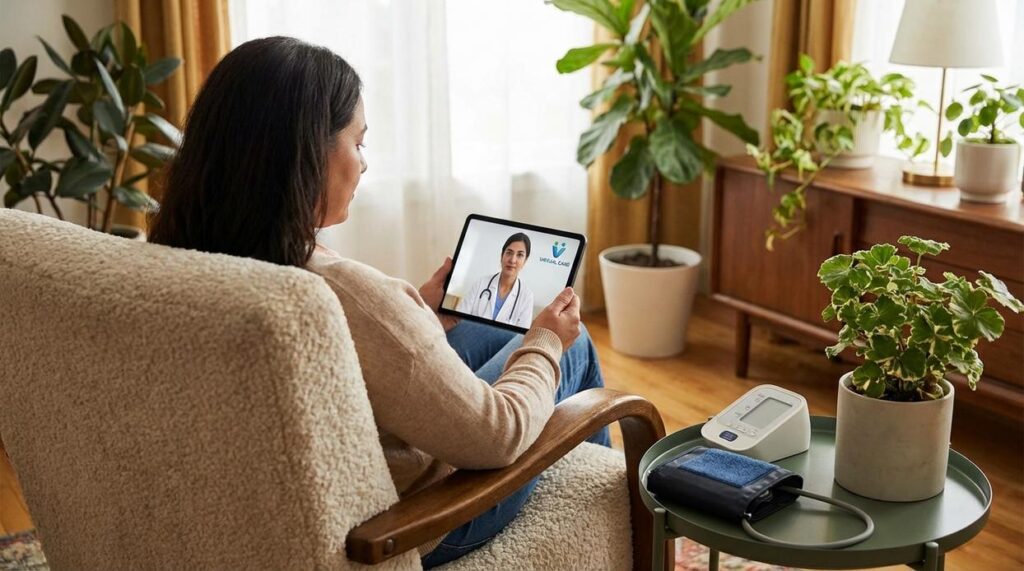

Healthcare is evolving rapidly, and many people are searching for clear, reliable insights into where it’s heading next—especially as digital care, preventive wellness, and performance optimization reshape everyday health decisions. This article directly addresses that need by breaking down the latest shifts in patient behavior, care delivery models, and data-driven wellness strategies, including a focused telemedicine growth analysis to help you understand what’s accelerating and why it matters.
We go beyond surface-level trends to connect the dots between virtual care expansion, holistic fitness integration, cardio optimization techniques, and practical daily routine upgrades that support long-term results. Every insight is grounded in current healthcare data, peer-reviewed research, and expert-backed wellness frameworks to ensure accuracy and relevance.
Whether you’re optimizing your personal health plan or evaluating broader industry movements, this guide delivers a clear, research-informed snapshot of where healthcare is now—and how you can adapt with confidence.
The digital doctor is no longer a novelty; it’s a global shift. This telemedicine growth analysis shows adoption accelerating due to three forces: convenience, cost-efficiency, and connectivity. Patients want faster access; providers need scalable care; payers demand measurable outcomes.
• Smartphone penetration and broadband expansion reduce access barriers.
• AI-assisted triage and remote monitoring improve chronic disease management.
What comes next? Expect hybrid care models, tighter regulation, and reimbursement reform. Patients may ask: Will virtual visits replace in-person exams? Likely not; instead, they’ll complement them. The trajectory suggests preventive, data-driven healthcare becoming standard, not optional.
Prepare for continuous digital integration.
The Catalyst: How Global Events Reshaped Virtual Healthcare
Pre-Pandemic Landscape
Before 2020, telehealth was the quiet overachiever of healthcare—steady but rarely headline-worthy. It thrived in rural medicine and teleradiology, where distance made in-person care impractical. Telehealth—the remote delivery of healthcare via digital communication tools—was viewed as supplementary, not essential. Critics argued adoption was slow because patients preferred face-to-face visits, and providers feared reimbursement gaps. They weren’t wrong. Regulatory barriers and limited broadband access kept usage modest.
The Tipping Point
Then came COVID-19. Practically overnight, virtual visits became a necessity, not a luxury. Governments relaxed licensing rules, insurers expanded reimbursement, and providers pivoted fast (think healthcare’s version of a surprise season finale). What skeptics once called optional became mission-critical.
Sustained Momentum
Some believed usage would snap back post-crisis. Instead, convenience won.
- Patients value reduced travel and wait times.
- Providers recognize workflow efficiency and lower overhead.
- Systems integrate remote monitoring for chronic care.
By the Numbers
Recent telemedicine growth analysis shows virtual visits surged over 3,000% in early 2020 compared to 2019 levels (McKinsey & Company). Investment in digital health topped $29 billion in 2021 (Rock Health), signaling durable confidence. The gap competitors miss? Telehealth isn’t just access—it’s infrastructure for integrated, preventive care.
Core Growth Verticals: Where Telemedicine Is Making the Biggest Impact
Telemedicine is no longer a niche convenience—it’s a structural shift in how care is delivered. In fact, multiple forms of telemedicine growth analysis show sustained adoption even after pandemic peaks, signaling long-term change rather than a temporary spike.
Here’s where impact is most measurable:
-
Mental and Behavioral Health
First and foremost, virtual therapy has become the preferred option for many patients. According to McKinsey (2023), telehealth utilization for behavioral health remains over 3–4 times higher than pre-2020 levels. Accessibility reduces travel barriers, while added privacy lowers perceived stigma (a major reason people delay treatment). As a result, no-shows decrease and continuity improves. -
Chronic Disease Management
Meanwhile, Remote Patient Monitoring (RPM)—the use of connected devices to track health metrics at home—has transformed diabetes and hypertension care. The CDC reports that consistent blood pressure monitoring significantly improves hypertension control rates. With real-time glucose and cardiac data, providers can intervene earlier, optimizing long-term cardio health outcomes. -
Urgent and Primary Care
On-demand virtual visits now handle common conditions like colds, rashes, and UTIs. The American Hospital Association notes that diverting non-emergency cases from ERs reduces system strain and lowers costs for patients. -
Specialty Consultations
Additionally, tele-dermatology and tele-neurology expand access in rural areas. High-resolution image sharing allows dermatologists to diagnose remotely with strong accuracy rates, supported by peer-reviewed clinical studies.
For a broader look at systemic shifts, explore top public health trends shaping communities in 2026. Together, these verticals demonstrate measurable, data-backed transformation across care delivery.
The Technology Powering Virtual Care

Virtual care has evolved far beyond basic video chats. Early telehealth relied on consumer-grade conferencing tools. Today, providers use HIPAA-compliant platforms—secure systems designed to protect patient health information under U.S. privacy law—with built-in EHR (Electronic Health Record) integration and e-prescribing. That means a doctor can review your chart, update notes, and send a prescription to your pharmacy in one seamless workflow (no more juggling tabs like it’s 2009).
Some critics argue virtual visits feel impersonal. Fair point. But integrated platforms now support:
- Secure messaging
- Digital intake forms
- Real-time chart updates
The result? Care that’s often more coordinated than rushed in-office appointments.
Another leap forward is asynchronous telehealth, also called the “store-and-forward” model. Patients submit symptoms, photos, or device data, and clinicians respond later. It’s ideal for dermatology, follow-ups, and busy schedules. Expect more telemedicine growth analysis as insurers expand reimbursement for this model.
Wearables add another layer. Smartwatches track heart rate variability, sleep cycles, and activity trends, giving providers a holistic view of cardio performance and recovery.
Looking ahead, AI and machine learning may triage symptoms, flag anomalies, and personalize treatment plans. The real question isn’t whether virtual care will expand—it’s how intelligently we’ll integrate it into everyday health decisions.
Benefits vs. Hurdles: A Balanced View of Telehealth’s Future
Telehealth has gone from sci‑fi fantasy to everyday reality (thank you, Wi‑Fi). For patients, the perks are obvious: fewer waiting rooms, lower travel costs, faster access to specialists, and smoother follow‑ups that improve continuity of care. Need a dermatologist while in pajamas? Done. It’s convenience with a copay.
Providers benefit too. Virtual visits can mean tighter scheduling, reduced overhead, and even better work‑life balance. Less time between appointments often translates into improved efficiency. Recent telemedicine growth analysis suggests sustained demand beyond emergency use, reinforcing its staying power.
But let’s not pretend it’s perfect. The digital divide leaves some patients offline. Reimbursement rules can feel like decoding ancient scrolls. Data security worries linger. And some diagnoses simply require hands‑on exams—no camera can palpate an abdomen. So, is telehealth the future of healthcare or just a high‑tech bandage? Probably both. For now, cautiously.
Integrating Virtual Care into Your Daily Wellness Routine
I believe virtual care isn’t a backup plan; it’s a baseline habit. The telemedicine growth analysis shows that telemedicine’s growth is a permanent shift in healthcare delivery, driven by technology and patient demand. To me, that signals commitment, not convenience.
Skeptics argue screens can’t replace in-person exams. Fair—but routine check-ins, therapy sessions, and medication reviews rarely require a waiting room cameo (and stale coffee).
Try this:
• Schedule quarterly virtual wellness reviews.
• Use telehealth for mental health and chronic care touchpoints.
Consistency beats intensity every time. Make it part of life.
Take Control of Your Next Health Move
You came here looking for clarity on where modern healthcare is heading and how to make smarter wellness decisions in a rapidly evolving landscape. Now you understand how digital innovation, preventive strategies, and especially telemedicine growth analysis are reshaping the way individuals approach care, fitness, and daily health optimization.
The real challenge isn’t access to information — it’s knowing how to apply it to your routine before small health gaps turn into bigger problems. Ignoring these shifts can mean missed opportunities for better energy, stronger cardiovascular health, and more efficient care.
Your next step is simple: start integrating these insights into your daily habits and healthcare decisions today. Explore trusted, data-backed wellness resources, implement cardio optimization strategies, and leverage virtual care tools that fit your lifestyle.
If you’re ready to stop guessing and start building a smarter, more resilient health plan, take action now. Use proven, research-driven strategies to stay ahead — and turn today’s health knowledge into long-term vitality.
 Paulata Cromwellike brings a fresh and empowering approach to personal wellness, focusing on the connection between healthy routines, physical vitality, and everyday resilience. With a passion for making health feel more accessible and motivating, she shares insights that inspire readers to improve their energy, movement, and overall well-being in a balanced and sustainable way.