
Staying consistent with your health goals can feel overwhelming when advice is scattered and routines are hard to maintain. If you’re searching for practical, sustainable ways to improve your fitness, nutrition, and daily performance, this guide is designed to give you exactly that—clear, actionable strategies you can apply immediately.
In this article, you’ll discover integrated wellness approaches that combine holistic fitness principles, cardio optimization techniques, and realistic daily routine upgrades. We’ll also break down healthy meal prepping tips that make balanced eating easier, even with a busy schedule. Every recommendation is grounded in evidence-based health insights and informed by proven fitness and wellness methodologies, ensuring you’re not just following trends—but building habits that last.
Whether your goal is better energy, improved cardiovascular endurance, or a more structured daily routine, this guide delivers practical tools to help you move forward with clarity and confidence.
Reclaim Your Week: The Smart Approach to Nutritious Eating
It’s 5 PM. You’re drained. The fridge looks empty (even when it isn’t), and takeout feels like the only option. That daily scramble leads to overpriced, low-nutrient meals and what experts call decision fatigue—the mental exhaustion from too many choices (American Medical Association).
Here’s the fix: a simple system, not a Sunday marathon.
Think components, not complicated recipes.
- Pick 2 proteins (grilled chicken, lentils).
- Add 2 carbs (quinoa, sweet potatoes).
- Prep 3 vegetables (roasted broccoli, peppers, spinach).
- Store in clear containers for mix-and-match meals.
That’s it. Ninety minutes, max.
These healthy meal prepping tips work because they remove daily guesswork. Pro tip: season differently to avoid boredom (your taste buds hate repetition).
You reclaim time, energy, and control—without living in the kitchen.
The Foundation: Why Advance Meal Prep Unlocks Peak Performance
At first, I thought meal prep was just about saving time. Cook on Sunday, coast all week. Simple. However, I learned the hard way that grabbing “whatever’s convenient” led to blood sugar crashes by 3 p.m., sluggish workouts, and late-night snacking I didn’t plan for. Stable energy levels aren’t accidental—they’re engineered.
Where I Went Wrong (And What Changed)
For a while, I relied on spontaneous choices. Unfortunately, that meant high-carb lunches before cardio sessions and barely any protein after strength training. The result? Poor cardio optimization and sore muscles that lingered longer than they should have. Once I started prepping balanced, pre-portioned meals, my pre- and post-workout nutrition became consistent. Energy steadied. Recovery improved.
Some argue meal prep feels restrictive. Fair point. It can feel repetitive (chicken and rice, again?). But structure creates freedom. By planning ahead, I consistently hit macro (protein, carbs, fats) and micronutrient (vitamins and minerals) targets—something that’s nearly impossible when you’re improvising daily.
Then there’s the mental shift. Decision fatigue—the mental drain from constant choices—is real (Baumeister et al., 1998). Reducing daily food decisions freed bandwidth for work and training.
Pro tip: Rotate flavors, not macros, to avoid burnout. Start with practical healthy meal prepping tips and refine from there. Consistency beats motivation every time.
Your Weekly Blueprint: Planning for Success
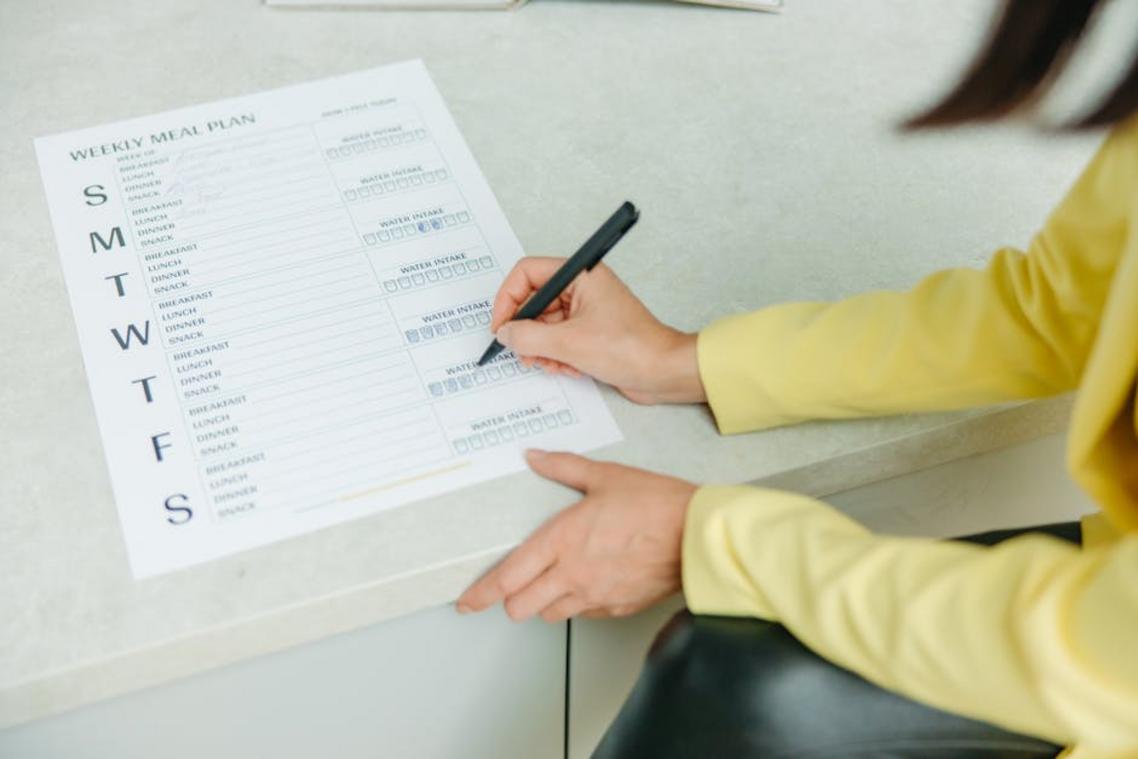
A solid week starts with a clear plan. If “meal planning” feels overwhelming, let’s simplify it.
Step 1: Choose Your Recipes & Build a Template
Think of your meals as a formula: Lean Protein + Complex Carb + Fibrous Vegetable + Healthy Fat.
- Lean protein = lower-fat sources like chicken breast, tofu, or Greek yogurt.
- Complex carbs = slower-digesting carbs like quinoa or brown rice (they provide steady energy).
- Fibrous vegetables = veggies high in fiber, which supports digestion.
- Healthy fats = nutrient-dense fats like avocado or olive oil.
Example: Grilled Chicken + Quinoa + Roasted Broccoli + Avocado. Simple, balanced, done. Once you understand the formula, you can mix and match without reinventing the wheel each week.
Step 2: Create a Master Shopping List
Next, organize your list by section: produce, protein, pantry. This reduces impulse buys and saves time. Buy versatile staples—rice, beans, frozen vegetables—in bulk (your future self will thank you). These are practical healthy meal prepping tips that prevent midweek stress.
Step 3: Schedule Your Prep Time
Now block 2–3 hours in your calendar. Treat it like a meeting you can’t cancel. Pair it with a podcast or playlist—this is called habit stacking (linking a new habit to something enjoyable).
Step 4: Select the Right Containers
Finally, choose containers wisely. Glass is durable and microwave-safe but heavier. BPA-free plastic is lighter and travel-friendly. Either way, airtight seals matter—they lock in freshness and flavor.
The Assembly Line: Efficient Cooking and Storage Techniques
Think of your kitchen like a factory line (minus the hairnets). The goal is efficiency without sacrificing nutrition.
Batch Cooking Basics
First, let’s define batch cooking: preparing large quantities of core ingredients at once so you can mix and match meals later. Instead of cooking every night, you cook once and assemble all week.
Start with this simple checklist:
- Bake a tray of chicken breasts
- Cook a large pot of quinoa or brown rice
- Roast a sheet pan of mixed vegetables
These staples become your building blocks. For example, chicken plus quinoa plus roasted vegetables can become a bowl today and a wrap tomorrow. That’s the beauty of healthy meal prepping tips in action.
Component Prepping vs. Full Meals
Now, here’s where people get confused. Full meal prepping means complete, grab-and-go containers. Convenient? Absolutely. Flexible? Not always.
By contrast, component prepping means preparing individual parts—chopped vegetables, cooked proteins, grains—so you can assemble meals last minute. Some argue full meals save more time. However, component prepping prevents “meal boredom” (yes, that’s real).
Maximize Your Oven and Stovetop
Meanwhile, roast vegetables in the oven while cooking grains and proteins on the stovetop. This overlap cuts total cook time nearly in half (a simple but powerful routine hack).
Smart Storage for Freshness
Let food cool completely before sealing to prevent condensation. Keep sauces separate until serving. When layering salads, put dressing on the bottom, sturdier veggies next, and greens on top to avoid sogginess.
For more daily energy structure, see 10 morning habits that boost energy naturally.
The Power of Variety in Meal Prep
Meal prep doesn’t have to mean eating the same bland bowl on repeat. First, build a simple base—like grilled chicken, roasted vegetables, or quinoa—then transform it with flavor. Prepare 2–3 different healthy sauces or spice blends for the week, such as a lemon vinaigrette, Greek yogurt–herb sauce, or homemade taco seasoning. Each option changes the flavor profile without requiring extra cooking (a five-minute mix can feel like a brand-new meal).
Equally important, introduce texture. Store crunchy toppings—nuts, seeds, or chopped herbs—separately and sprinkle them on just before eating. That contrast keeps meals vibrant instead of soggy.
Next, theme your weeks. Try Mediterranean week with olives and feta, then switch to Mexican week with cumin and salsa. Rotating cuisines naturally refreshes ingredients and nutrients.
Finally, don’t over-prep. Aim for three to four days max to preserve taste and enthusiasm. These healthy meal prepping tips keep food exciting—and you consistent.
Right now, the hardest part of eating well isn’t discipline—it’s decision fatigue. Without a plan, every meal becomes a stressful scramble, and that chaos drains your energy before the day even begins. Instead, build a simple system. Consistent planning and prepping stabilizes blood sugar, supports metabolic health (the body’s ability to convert food into energy), and fuels focus. Start small: prep one lunch recipe for three days. Follow healthy meal prepping tips, and notice difference.
By incorporating meal prepping strategies into your routine, you can not only simplify your weekly cooking but also support the nutritional guidelines suggested by experts, like those in our article “Doctors Suggestion Cotaldihydo,” for maintaining a balanced diet.
Take Control of Your Health Starting Today
You came here looking for practical ways to build a healthier routine that actually fits into your real life. Now you have the strategies — from cardio optimization techniques to smarter daily structure — to stop guessing and start progressing with purpose.
The biggest frustration with wellness isn’t lack of effort. It’s inconsistency. Busy schedules, low energy, and confusing advice make it hard to stay on track. That’s exactly why building simple systems like healthy meal prepping tips, intentional movement blocks, and recovery-focused habits matters so much. When your routine supports you, results follow.
Now it’s time to act.
Choose one strategy from this guide and implement it today. Plan your next three workouts. Prep your meals in advance. Optimize your morning routine. Small, consistent action compounds faster than extreme short bursts of motivation.
If you’re tired of starting over and ready for a smarter, sustainable approach to fitness and wellness, take the next step now. Explore more expert-backed strategies, apply them immediately, and build a routine that finally works — not just for a week, but for life.
 Lajuana Riccardina is a thoughtful voice behind modern wellness and intentional living, bringing a warm and grounded perspective to health, balance, and everyday self-care. She is passionate about helping readers embrace realistic habits, stronger routines, and a more mindful lifestyle through practical guidance that feels both encouraging and achievable.